
Why Is SEO Considered A Long-Term Strategy For Growth?
Many businesses entering digital marketing expect immediate SEO results. After publishing a few pages or optimising several keywords, they often wonder why rankings and traffic are not growing overnight.
The reality is that SEO is fundamentally different from short-term marketing channels. Unlike paid advertising, SEO compounds gradually through authority, trust, content relevance, and technical optimisation.
Understanding why SEO is considered a long-term strategy helps businesses set realistic expectations and build sustainable online growth instead of chasing temporary visibility spikes.
Quick Answer: Why Is SEO Considered A Long-Term Strategy?
SEO is considered a long-term strategy because search visibility is built gradually through content authority, technical optimisation, backlinks, user trust, and continuous adaptation to evolving search algorithms.
Search Engines Need Time To Build Trust
Search engines do not instantly trust new websites or newly published content.
Platforms like Google Search evaluate websites over time to determine whether content is trustworthy, relevant, and valuable to users.
This evaluation includes:
- Content quality
- User engagement
- Backlink authority
- Technical performance
- Topical consistency
Websites that consistently demonstrate expertise gradually gain stronger rankings and visibility. This trust-building process naturally makes SEO a long-term investment.
SEO Results Compound Over Time
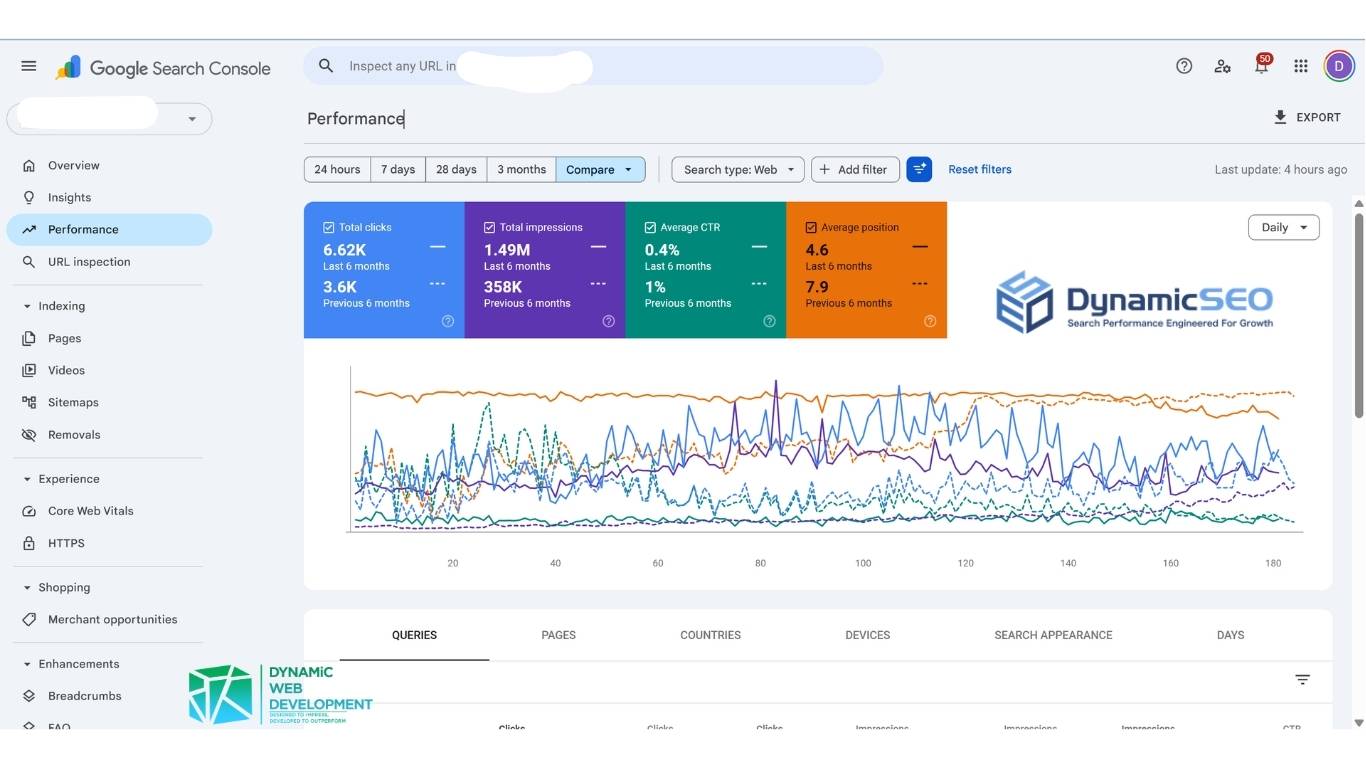
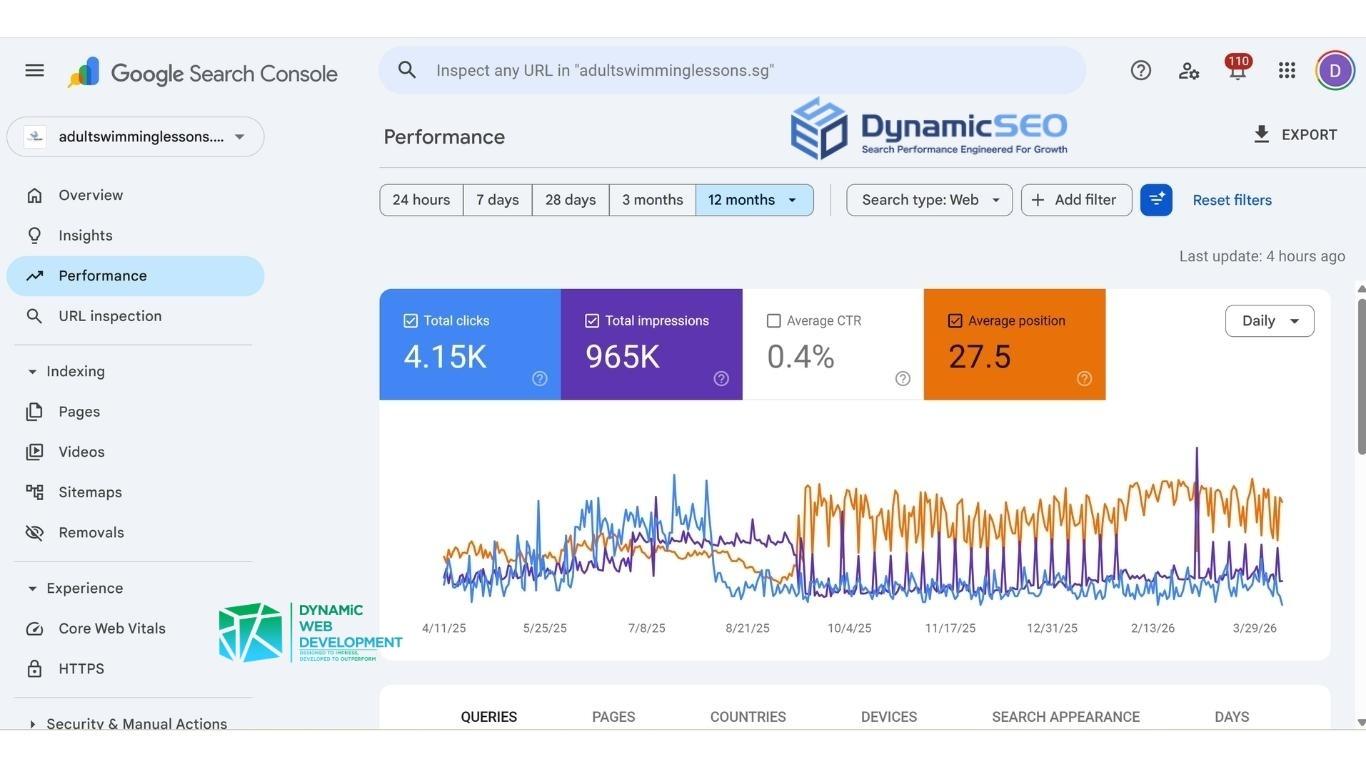
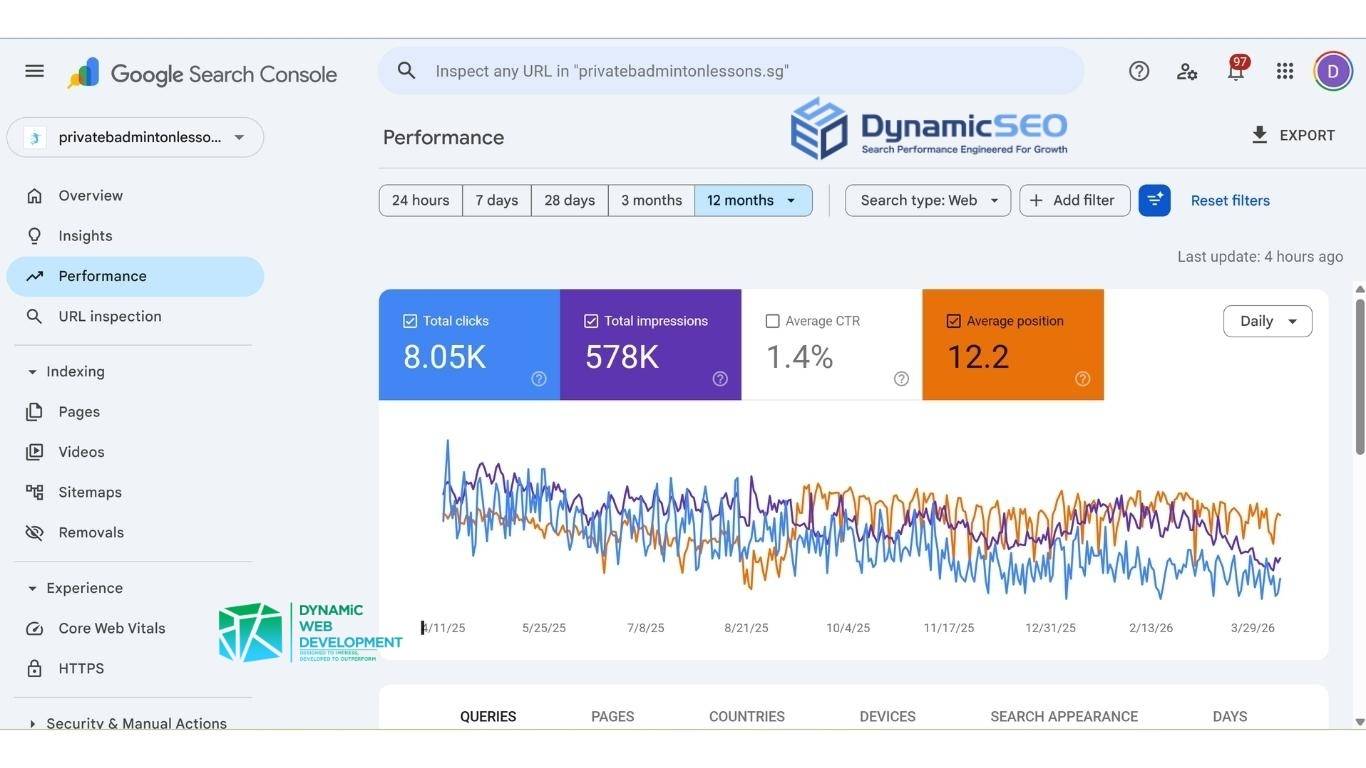
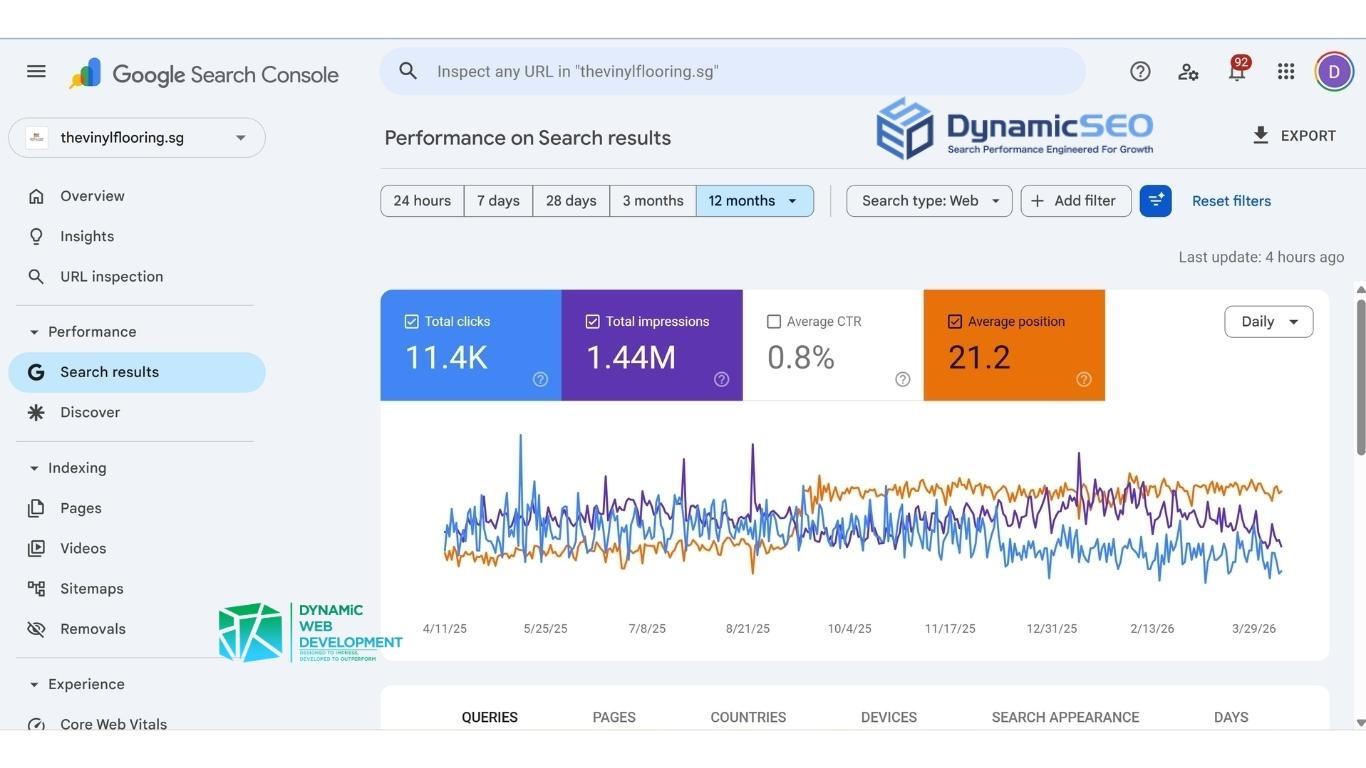
One of the biggest reasons SEO is considered long-term is because results compound.
Every optimised page, backlink, keyword ranking, and content update contributes to overall website authority. Unlike paid advertising, SEO assets continue generating value long after they are published.
A well-optimised article can attract traffic for years if maintained properly. This creates a cumulative growth effect where traffic, visibility, and authority strengthen progressively over time.
Competition In Search Is Constant
SEO is highly competitive because businesses are constantly trying to improve rankings for the same keywords.
Even if your website ranks today, competitors are continuously publishing new content, improving technical SEO, and building backlinks.
Maintaining visibility requires ongoing optimisation and monitoring. Search rankings are not permanent positions. They evolve based on competition, relevance, and user behaviour.
This constant competitive environment reinforces why SEO cannot be treated as a one-time task.
Google Algorithms Continuously Evolve
Search algorithms are constantly changing.
Google regularly updates how it evaluates:
- Content quality
- User intent
- Website performance
- Semantic relevance
- AI-generated search experiences
Businesses that fail to adapt may lose rankings over time.
Modern SEO now extends beyond traditional keyword optimisation into areas such as:
- Generative Engine Optimisation (GEO)
- AI search visibility
- Semantic SEO
- Structured data optimisation
Because search behaviour and algorithms continuously evolve, SEO requires long-term adaptation and refinement.
Building Topical Authority Takes Time
Search engines increasingly prioritise websites with strong topical authority.
Topical authority is developed by consistently publishing relevant, interconnected, and high-quality content around a subject area.
This process cannot happen instantly.
Websites must build semantic depth over months and years before search engines fully associate them with expertise in a topic.
Businesses that consistently expand and strengthen their content ecosystem gain long-term ranking advantages over competitors.
Technical SEO Is An Ongoing Process
Technical SEO is not a one-time setup.
Websites constantly evolve through:
- New pages
- Design updates
- Plugin changes
- Platform updates
- Content restructuring
Without regular technical monitoring, issues such as crawl errors, broken links, slow page speeds, and indexing problems can emerge.
Technical optimisation ensures search engines can continuously crawl, interpret, and rank your website effectively.
SEO Builds Sustainable Organic Traffic
Paid advertising stops generating traffic the moment ad spending ends.
SEO works differently.
Once a website gains rankings and authority, it can continue generating traffic without paying for every click. This creates a more sustainable growth model.
Many businesses consider SEO a digital asset because properly optimised content can continue driving leads and visibility for years.
This long-term sustainability is one of SEO’s strongest advantages.
AI Search Makes Long-Term SEO Even More Important
AI-powered search systems are changing how users discover information.
Platforms such as Google Gemini and conversational AI systems increasingly prioritise authoritative, structured, and semantically rich content.
This strengthens the importance of long-term SEO strategies because AI systems rely heavily on:
- Trusted sources
- Strong topical authority
- Structured content
- Technical clarity
Businesses investing consistently in SEO are more likely to gain visibility across both traditional search and AI-driven search environments.
SEO Supports Long-Term Brand Authority
Strong SEO does more than increase rankings. It strengthens brand credibility.
When users repeatedly see a website ranking for relevant searches, trust naturally increases. Over time, this positions businesses as recognised authorities within their industry.
Long-term visibility reinforces:
- Brand recognition
- Customer trust
- Market authority
- Conversion potential
SEO therefore contributes not only to traffic growth but also to broader business positioning.
Data And Optimisation Improve Performance Gradually
SEO relies heavily on continuous analysis and refinement.
Using platforms such as Google Analytics and Google Search Console allows businesses to identify:
- Ranking opportunities
- Content gaps
- User behaviour patterns
- Technical issues
Over time, these optimisations improve performance progressively rather than instantly.
SEO success is often the result of consistent incremental improvements compounded across months and years.
Conclusion
SEO is considered a long-term strategy because sustainable search visibility cannot be built overnight.
Authority, trust, technical performance, content depth, and competitive positioning all require continuous development. Unlike short-term advertising campaigns, SEO compounds over time and continues generating value long after the initial investment.
Businesses that approach SEO strategically and consistently are far more likely to achieve stable rankings, long-term organic traffic, and stronger visibility across both traditional and AI-driven search ecosystems.
FAQ
Q: How long does SEO usually take to show results?
Q: Why is SEO slower than paid advertising?
Q: Does SEO stop working if you stop optimising?
Q: Is SEO still worth investing in long term?
Q: Does AI search change long-term SEO strategies?
Elevate Your Brand’s Online Presence with Our Expert SEO for Sustainable Growth

Partners in success, stronger together