
How To Run SEO On My Website And Improve Google Rankings
Many business owners launch a website expecting traffic to appear automatically. Unfortunately, simply publishing a website does not guarantee visibility on search engines.
Search engines evaluate millions of websites competing for attention every day. Without proper SEO, even a professionally designed website may struggle to rank or generate traffic.
Understanding how to run SEO on my website is essential for businesses that want sustainable online visibility, higher rankings, and long-term organic growth.
Modern SEO now extends beyond traditional Google rankings into AI-driven search visibility, semantic optimisation, and Generative Engine Optimisation (GEO). (businessinsider.com)
Quick Answer: How To Run SEO On My Website?
To run SEO on your website, you need to optimise technical SEO, conduct keyword research, create high-quality content, improve on-page SEO, build backlinks, monitor performance data, and optimise for AI-driven search visibility.
Start With Technical SEO Foundations
Technical SEO is the foundation of every successful SEO strategy.
Before search engines can rank your content, they must first crawl, access, and understand your website properly.
Key technical areas include:
- Website speed
- Mobile responsiveness
- Secure HTTPS setup
- Crawlability
- Clean URL structure
- Internal linking
- Structured data
Technical issues can limit rankings even if your content is strong. Modern AI-driven search systems also rely heavily on structured and machine-readable information.
A technically sound website creates the infrastructure needed for long-term SEO success.
Conduct Proper Keyword Research
Keyword research helps you understand what users are actually searching for.
Instead of guessing topics, SEO uses search data to identify:
- Search demand
- User intent
- Competition levels
- Ranking opportunities
Effective keyword research focuses not only on high-volume keywords but also on search intent.
For example:
- Informational searches seek answers
- Commercial searches compare solutions
- Transactional searches indicate buying intent
A structured keyword strategy helps align your content with real user behaviour.
Optimise On-Page SEO Elements
On-page SEO helps search engines understand the purpose and relevance of your content.
Core on-page elements include:
- SEO titles
- Meta descriptions
- Headings
- Keyword placement
- Internal links
- Image optimisation
Search engines evaluate these signals to determine how relevant your page is to a search query.
Well-structured pages also improve readability for users and AI systems, increasing the chances of appearing in featured snippets and AI-generated summaries.
Create High-Quality SEO Content
Content remains one of the strongest SEO ranking factors.
However, modern SEO is no longer about publishing large amounts of generic content. Search engines increasingly prioritise:
- Topical authority
- Semantic depth
- User intent alignment
- Clear answers
- Content structure
High-quality SEO content should solve problems directly while demonstrating expertise and trustworthiness.
Websites that consistently publish useful and well-structured content gradually strengthen authority over time.
Build Topical Authority Across Your Website
Search engines evaluate websites holistically rather than page by page.
This means businesses should build topical authority by creating clusters of related content around a subject area.
For example, an SEO website may create interconnected content around:
- Technical SEO
- AI SEO
- GEO
- Local SEO
- Keyword research
- Link building
This interconnected structure strengthens semantic relevance and improves overall visibility.
Topical authority is becoming increasingly important in AI-powered search ecosystems.
Improve Internal Linking Structure
Internal linking is often underestimated in SEO.
Strong internal linking helps:
- Search engines discover pages
- Distribute authority across the website
- Improve user navigation
- Reinforce topic relationships
Pages that are isolated or poorly connected may struggle to rank effectively.
Strategic internal linking strengthens both traditional SEO and AI content interpretation because it improves contextual understanding.
Build High-Quality Backlinks
Backlinks act as trust signals for search engines.
When authoritative websites link to your content, it indicates credibility and relevance.
However, quality matters significantly more than quantity. A few strong backlinks from relevant websites are often more valuable than hundreds of weak links.
Effective backlink strategies include:
- Content marketing
- Digital PR
- Guest articles
- Resource outreach
Backlink authority remains a critical ranking factor even as AI search evolves.
Optimise For AI Search And GEO
SEO is evolving beyond traditional rankings.
AI-powered systems such as ChatGPT, Google Gemini, and Google Search increasingly generate direct answers using web content.
This creates a new optimisation layer called Generative Engine Optimisation (GEO).
To improve AI visibility:
- Write concise answers
- Structure content logically
- Use semantic relevance
- Include clear headings
- Strengthen authority signals
Modern SEO strategies now combine traditional SEO with GEO and Answer Engine Optimisation (AEO).
Track SEO Performance Regularly
SEO requires continuous monitoring and optimisation.
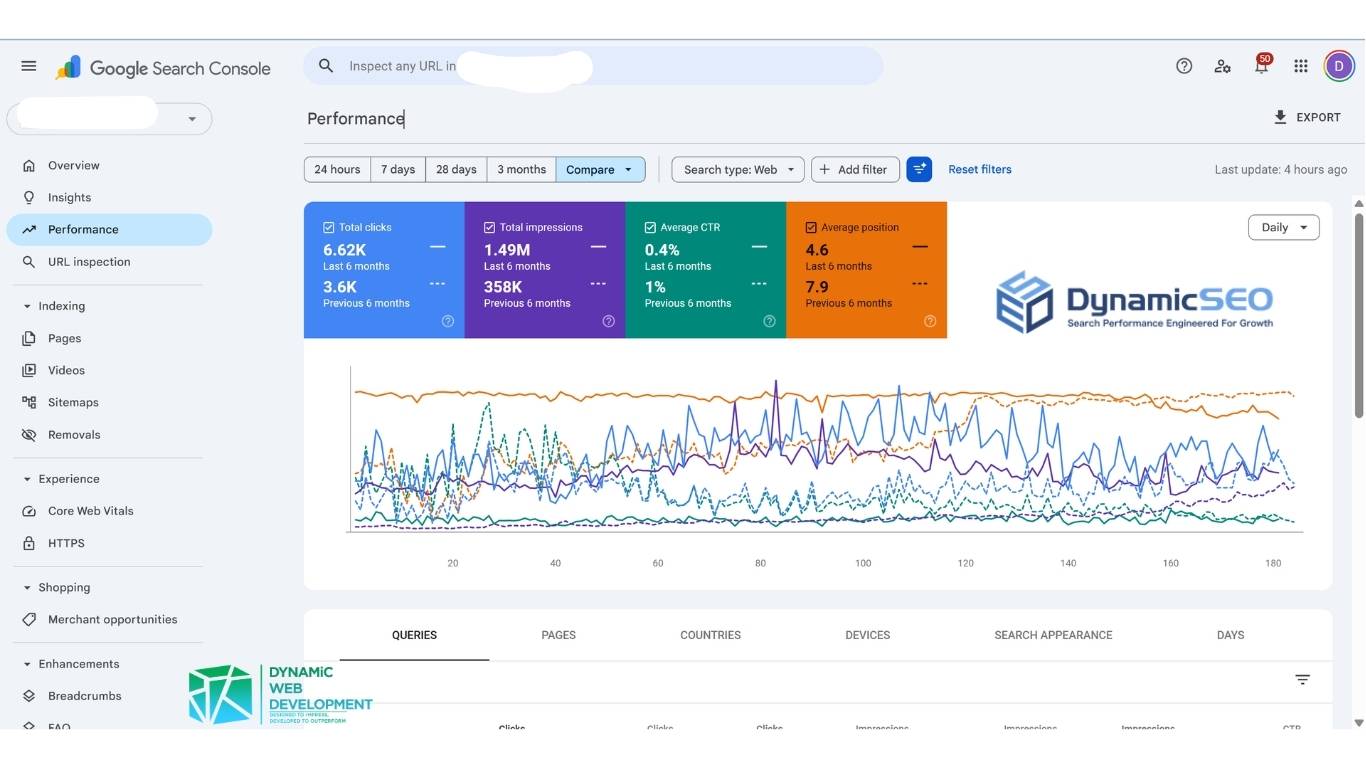
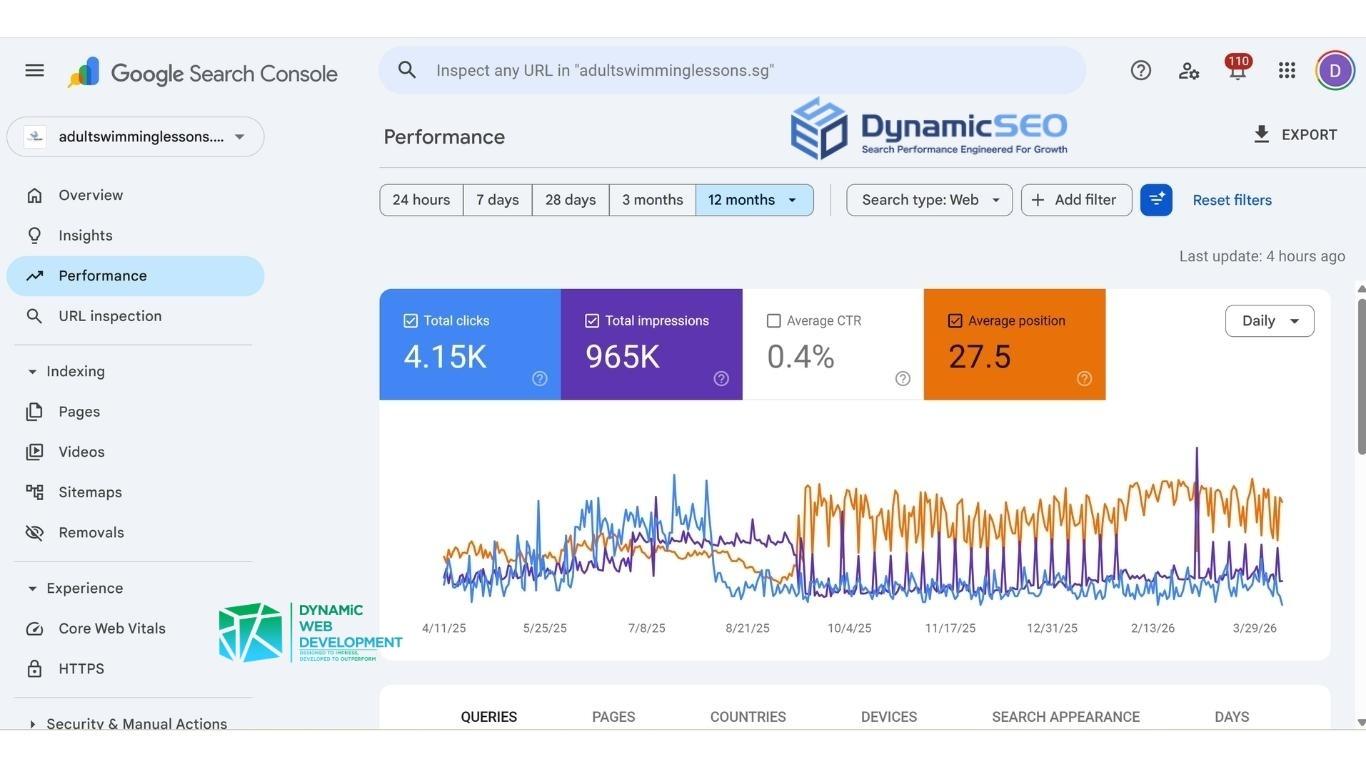
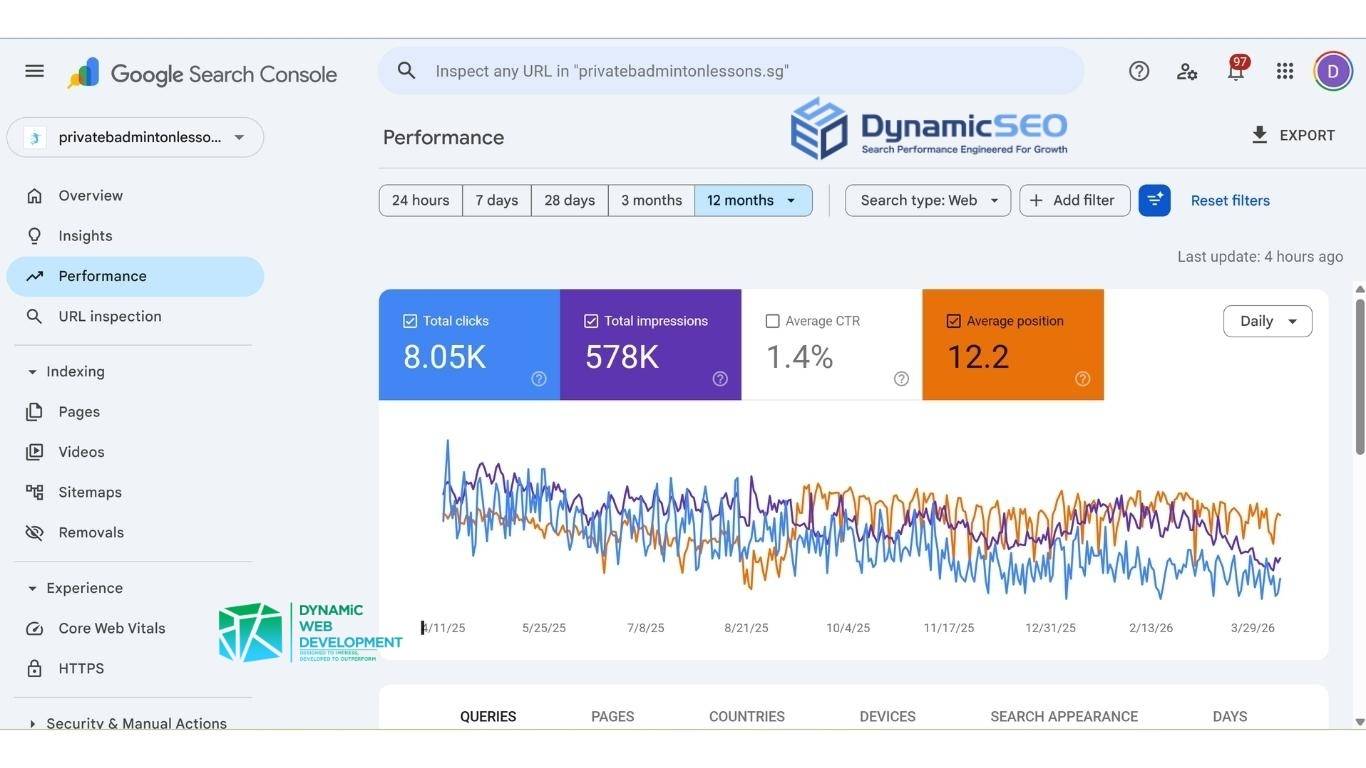
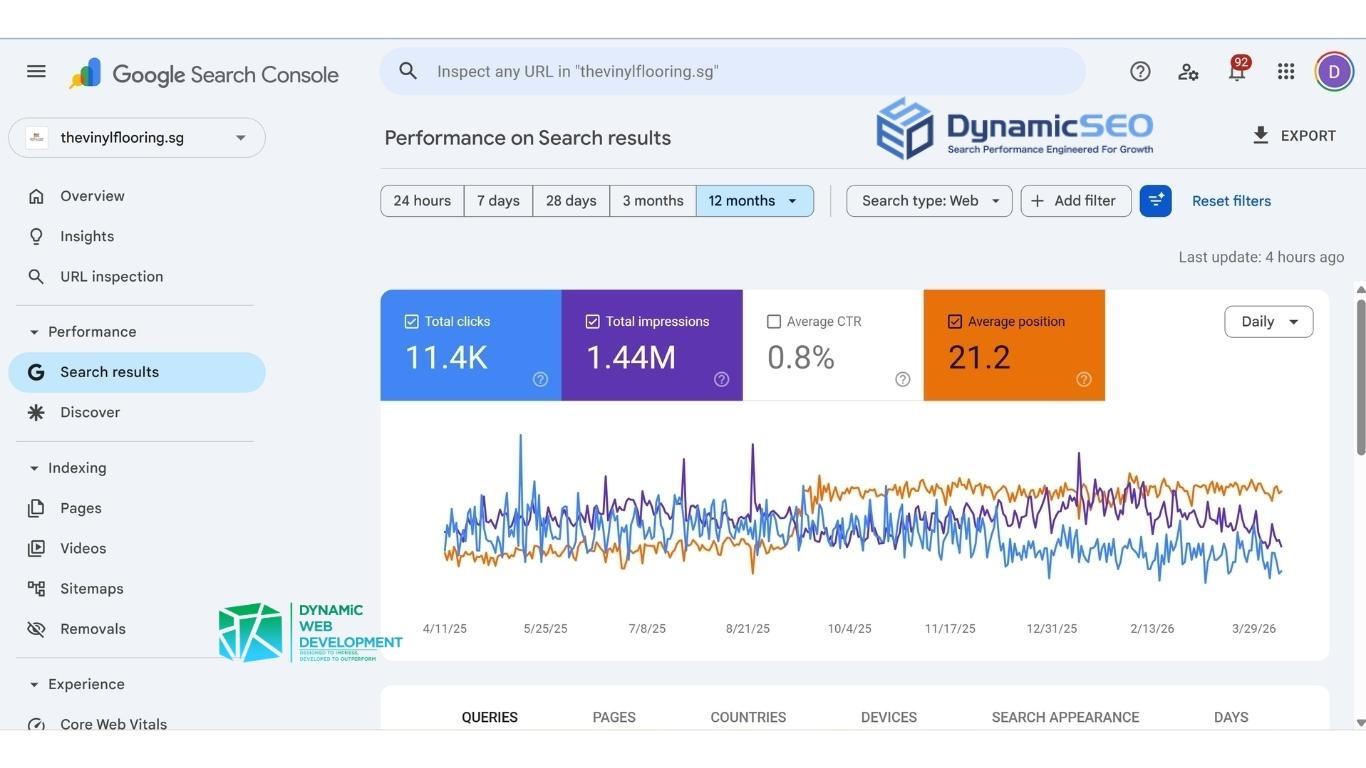
Using tools such as Google Analytics and Google Search Console helps businesses track:
- Organic traffic
- Keyword rankings
- Click-through rates
- Technical issues
- User engagement
Tracking SEO progress allows businesses to identify what is improving and where optimisation is still needed.
Long-term SEO success depends heavily on data-driven refinement.
Understand That SEO Is Long-Term
SEO is not an overnight process.
Search engines need time to evaluate:
- Content quality
- User behaviour
- Technical consistency
- Authority signals
- Backlink trust
SEO compounds gradually over time. Each optimised page, backlink, and content improvement contributes to stronger overall visibility.
Businesses that consistently invest in SEO often gain sustainable organic traffic that continues generating value long after the initial optimisation work.
Conclusion
Learning how to run SEO on my website involves far more than inserting keywords into pages.
Modern SEO requires a structured strategy combining technical optimisation, content authority, user intent alignment, backlinks, semantic relevance, and AI search visibility.
As search continues evolving toward AI-driven experiences, businesses that adapt early and build strong SEO foundations will position themselves for long-term growth across both traditional and generative search ecosystems.
FAQ
Q: Can I run SEO on my website myself?
Q: How long does SEO take to work?
Q: Is content enough for SEO?
Q: What tools should I use for SEO?
Q: Does AI search change how SEO works?
Elevate Your Brand’s Online Presence with Our Expert SEO for Sustainable Growth

Partners in success, stronger together