
What Is AI Search Optimisation?
AI search optimisation is the process of improving a website’s visibility inside AI-powered search systems such as ChatGPT, Google AI Overviews, Gemini, Perplexity, and other generative search platforms.
Traditional SEO focused heavily on ranking webpages on Google search results pages. AI search optimisation goes further. The goal is not only to rank, but also to become a trusted source that AI systems reference, summarise, and recommend in generated answers.
This shift is changing digital marketing rapidly. Users are increasingly asking conversational questions directly to AI systems instead of browsing ten blue links manually. Google itself continues expanding AI-driven search experiences across its ecosystem.
For businesses in Singapore, this creates both an opportunity and a warning. Companies adapting early may gain stronger long-term visibility, while businesses relying only on outdated SEO tactics could slowly lose discoverability.
How AI Search Works Differently From Traditional SEO
Traditional search engines mainly ranked webpages based on keywords, backlinks, authority, and technical SEO.
AI search systems operate differently.
Instead of simply displaying webpage listings, AI systems analyse multiple sources simultaneously to generate direct answers. These systems use artificial intelligence, natural language processing, machine learning, and semantic understanding to interpret information contextually.
That means websites now need to optimise for:
- Semantic understanding
- Contextual relevance
- Entity recognition
- Structured information
- Extractable answers
- Topical authority
- Trust signals
In simple terms, websites must become understandable to both humans and machines.
A business website today is no longer just competing for rankings. It is competing to become an AI reference source.
Why AI Search Optimisation Is Becoming Important
Search behaviour is evolving quickly.
Instead of typing short keywords like:
“SEO agency Singapore”
Users increasingly ask questions like:
- “What is the best SEO strategy for AI search?”
- “How do businesses appear in ChatGPT answers?”
- “Why is my website not visible in AI search?”
This conversational behaviour aligns directly with how AI systems process information.
Businesses that structure their websites properly are more likely to appear in:
- AI summaries
- AI-generated answers
- Conversational search responses
- AI recommendation engines
- Voice search results
Google has already introduced AI-generated search experiences through AI Overviews and Gemini integrations.
This means AI visibility is no longer a future trend. It is already happening.
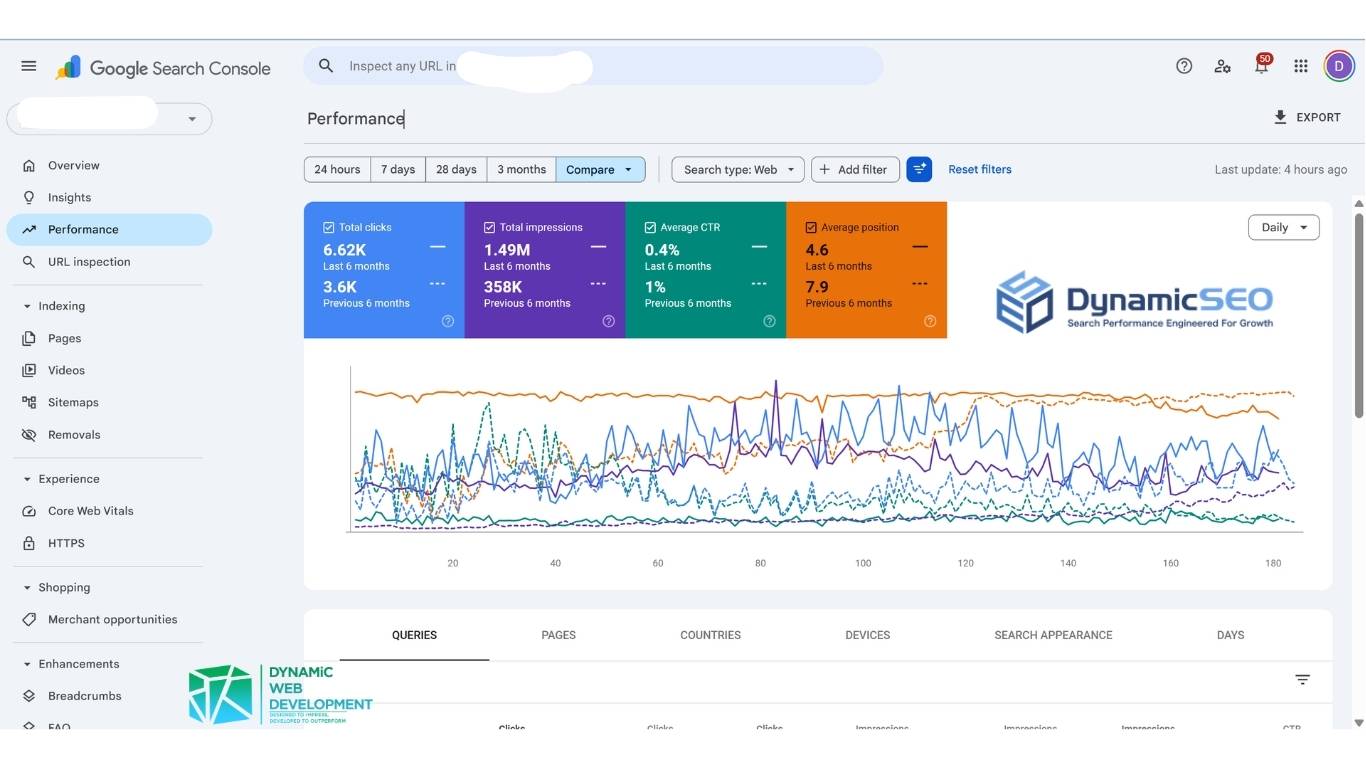
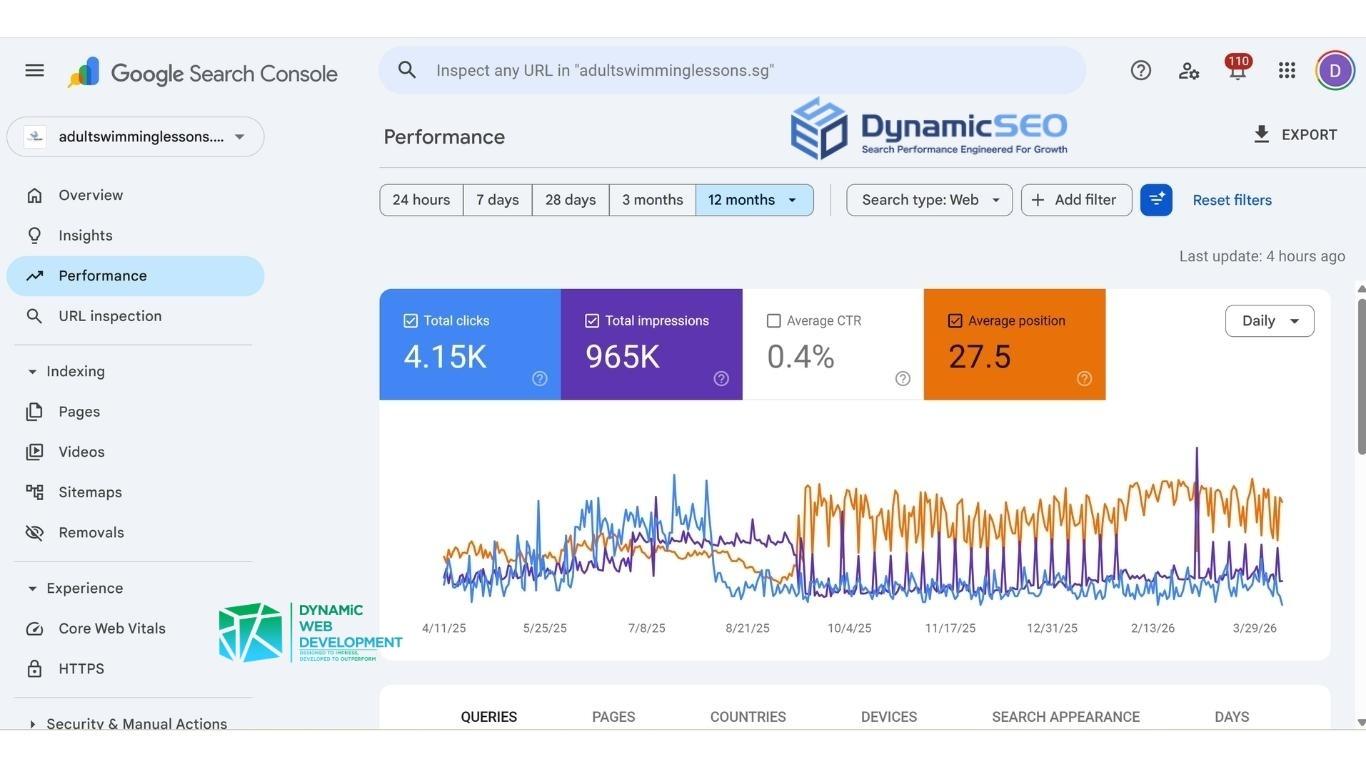
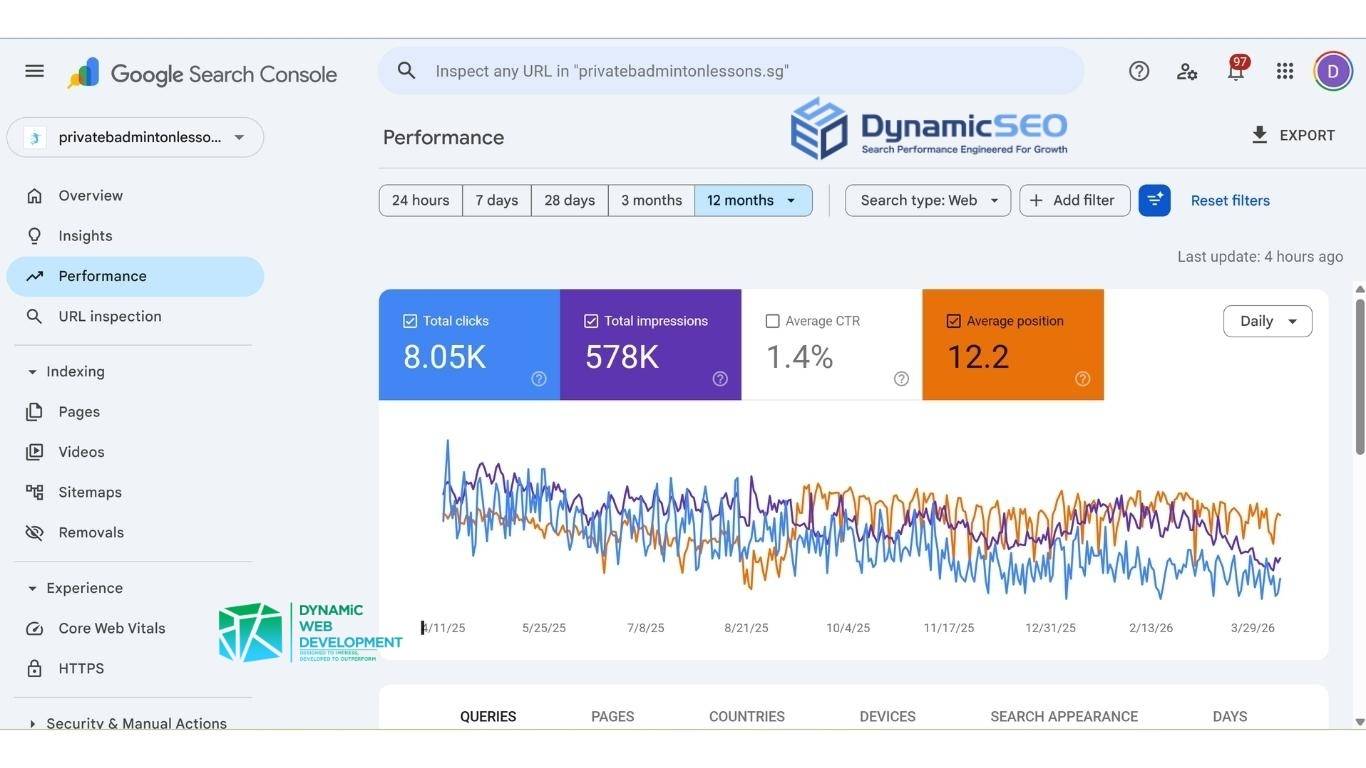
The Difference Between SEO And AI Search Optimisation
AI search optimisation does not replace SEO.
Instead, it builds on top of traditional SEO foundations.
Good technical SEO remains essential because AI systems still rely heavily on crawlability, indexing, and structured site architecture. The difference is that AI optimisation places greater emphasis on contextual understanding and answer retrieval. (theseocompany.sg)
Traditional SEO asks:
“How do I rank higher?”
AI search optimisation asks:
“How do I become the most trusted answer?”
That difference changes content strategy significantly.
Modern AI-focused optimisation involves:
- Topic clusters
- Semantic SEO
- Schema markup
- Conversational search intent
- Entity SEO
- GEO optimisation
- Structured content formatting
Businesses focusing only on keywords while ignoring contextual authority may struggle as AI search continues expanding.
What Is GEO In AI Search Optimisation?
GEO stands for Generative Engine Optimisation.
It refers to optimisation strategies specifically designed for generative AI systems.
Instead of targeting only Google rankings, GEO focuses on helping AI systems understand, trust, and retrieve your content effectively.
This includes improving:
- AI readability
- Structured semantic relevance
- Content extraction clarity
- Topical authority
- Source trustworthiness
For example, websites with well-structured FAQs, clear headings, semantic relationships, and strong internal linking are often easier for AI systems to interpret.
Businesses in Singapore are increasingly exploring GEO strategies as AI-generated search becomes more visible across industries such as education, sports academies, renovation, healthcare, and professional services. (theseocompany.sg)
How AI Systems Understand Websites
AI systems do not “read” websites the same way humans do.
They analyse patterns, relationships, context, entities, and semantic meaning.
This is why structure matters heavily.
AI systems typically favour content that is:
- Organised logically
- Easy to summarise
- Contextually complete
- Factually clear
- Technically accessible
For example, clear headings help AI systems identify topical hierarchy.
Structured schema markup helps machines understand page intent.
Internal links help reinforce topic relationships.
Topical clusters help establish authority.
It is similar to walking into a well-organised library versus a messy storeroom. One allows quick understanding. The other creates confusion immediately.
AI systems naturally prefer clarity.
Topical Authority Plays A Huge Role
One article alone rarely creates strong AI visibility.
AI systems usually trust websites demonstrating deep expertise consistently across multiple related topics.
This is known as topical authority.
For example, a website covering:
- Technical SEO
- AI Search
- Semantic SEO
- GEO
- Structured data
- Search intent
- AI content retrieval
will generally appear more authoritative than a website with only one isolated article on AI search.
This is why many modern SEO agencies now build interconnected content ecosystems rather than standalone blog posts.
A business becomes easier for AI systems to associate with specific expertise areas.
Over time, this strengthens AI retrieval opportunities.
Why Technical SEO Still Matters
Some businesses mistakenly assume AI search means technical SEO no longer matters.
Actually, technical SEO has become even more important.
AI systems still require:
- Crawlable pages
- Fast loading speed
- Mobile responsiveness
- Structured data
- Proper indexation
- Clean site architecture
Without these technical foundations, AI systems may struggle to understand content accurately.
For Singapore businesses competing online, technical optimisation often becomes the hidden advantage that separates visible brands from invisible ones.
Think of technical SEO as the road system underneath a city. Even the best buildings become difficult to access if the roads are broken.
How Singapore Businesses Can Prepare For AI Search
Businesses do not need to panic.
But they do need to adapt.
Strong AI search optimisation usually starts with:
- High-quality topical content
- Proper semantic structure
- Consistent internal linking
- Technical SEO improvements
- Conversational content formatting
- FAQ optimisation
- Clear business entity signals
Singapore businesses should also localise content naturally.
AI systems increasingly understand geographic relevance. Websites that consistently reinforce Singapore-specific context, services, industries, and terminology often improve local relevance signals.
This becomes especially important for competitive sectors such as:
- Tuition services
- Sports academies
- Renovation
- Healthcare
- Corporate services
- Professional consulting
- E-commerce
Businesses preparing now are likely building stronger long-term visibility foundations for future AI-driven search ecosystems.
Conclusion
AI search optimisation is becoming one of the most important evolutions in digital marketing. As search behaviour shifts toward conversational AI systems, businesses need more than traditional rankings alone.
They need authority, clarity, semantic relevance, and structured content that AI systems can trust and retrieve effectively.
SEO is no longer only about appearing on page one. It is increasingly about becoming the answer itself.
For businesses in Singapore, adapting early to AI Search Optimisation and GEO strategies may create stronger visibility across Google, ChatGPT, Gemini, and future AI-driven platforms.
If your business wants to improve both traditional SEO performance and AI search visibility, Dynamic SEO provides SEO, GEO, semantic optimisation, and AI-focused visibility strategies designed for long-term measurable growth.
FAQ
Q: What is AI search optimisation?
Q: Is AI search optimisation different from SEO?
Q: What does GEO mean in SEO?
Q: Does technical SEO still matter for AI search?
Q: Can small businesses benefit from AI search optimisation?
Elevate Your Brand’s Online Presence with Our Expert SEO for Sustainable Growth

Partners in success, stronger together