
What Is A Topical Authority And Why Does It Matter?
SEO has evolved significantly over the past few years.
Search engines no longer rank websites based only on isolated keywords or individual pages. Modern search algorithms increasingly evaluate how deeply a website understands and covers an entire subject.
This is where topical authority becomes important.
Businesses trying to improve visibility on platforms like Google Search, ChatGPT, and AI-powered search systems now need more than standalone blog articles. They need interconnected expertise ecosystems that demonstrate depth, trust, and semantic relevance.
Understanding what is a topical authority is now essential for long-term SEO, GEO, and AI retrieval visibility.
Quick Answer: What Is A Topical Authority?
Topical authority refers to how strongly search engines and AI systems recognise a website as a trusted and comprehensive source on a specific subject based on content depth, semantic relevance, authority signals, and structured topic coverage.
Why Topical Authority Matters In Modern SEO
Traditional SEO often focused heavily on ranking individual keywords.
Modern search systems evaluate broader contextual expertise instead.
Google increasingly analyses:
- Content relationships
- Semantic relevance
- Subject depth
- Internal linking
- User intent coverage
Websites that consistently publish high-quality and interconnected content around a topic are more likely to rank strongly across multiple related searches.
This makes topical authority one of the strongest long-term SEO advantages.
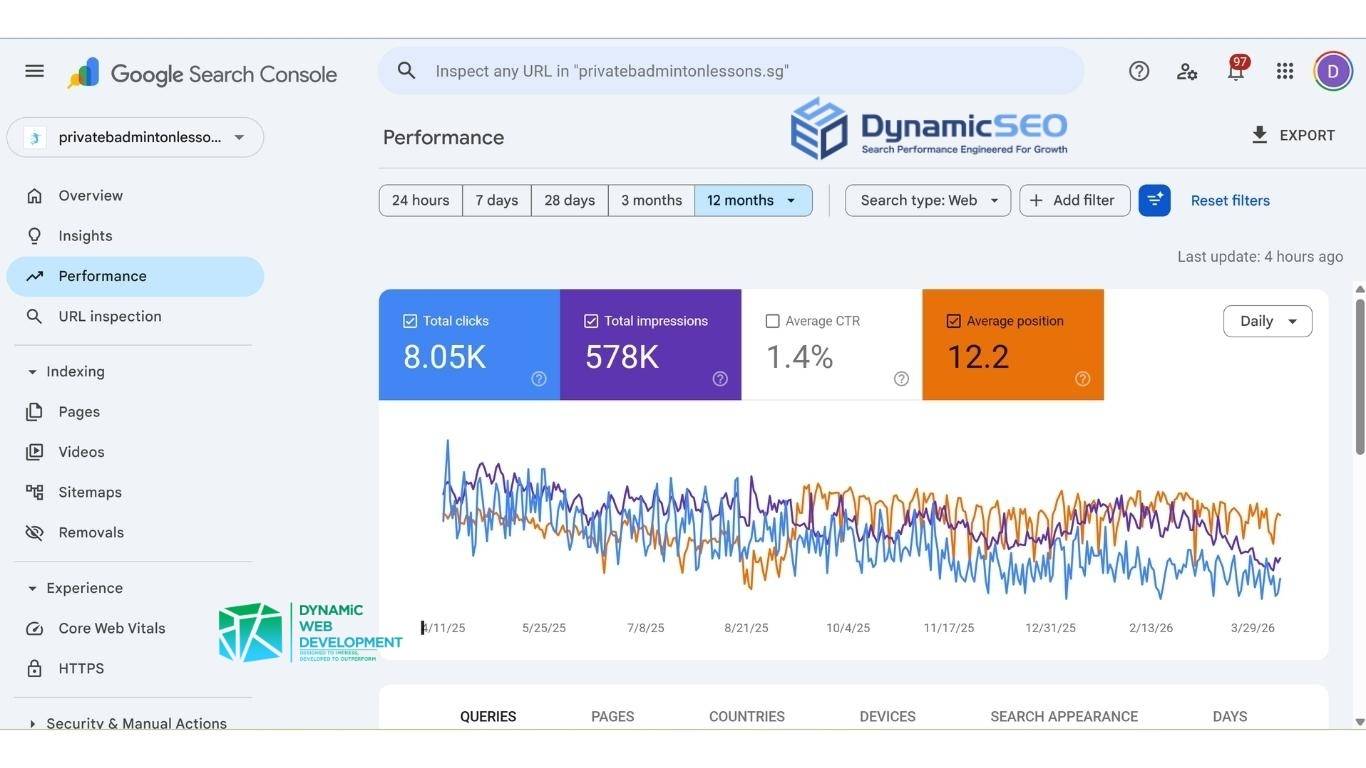
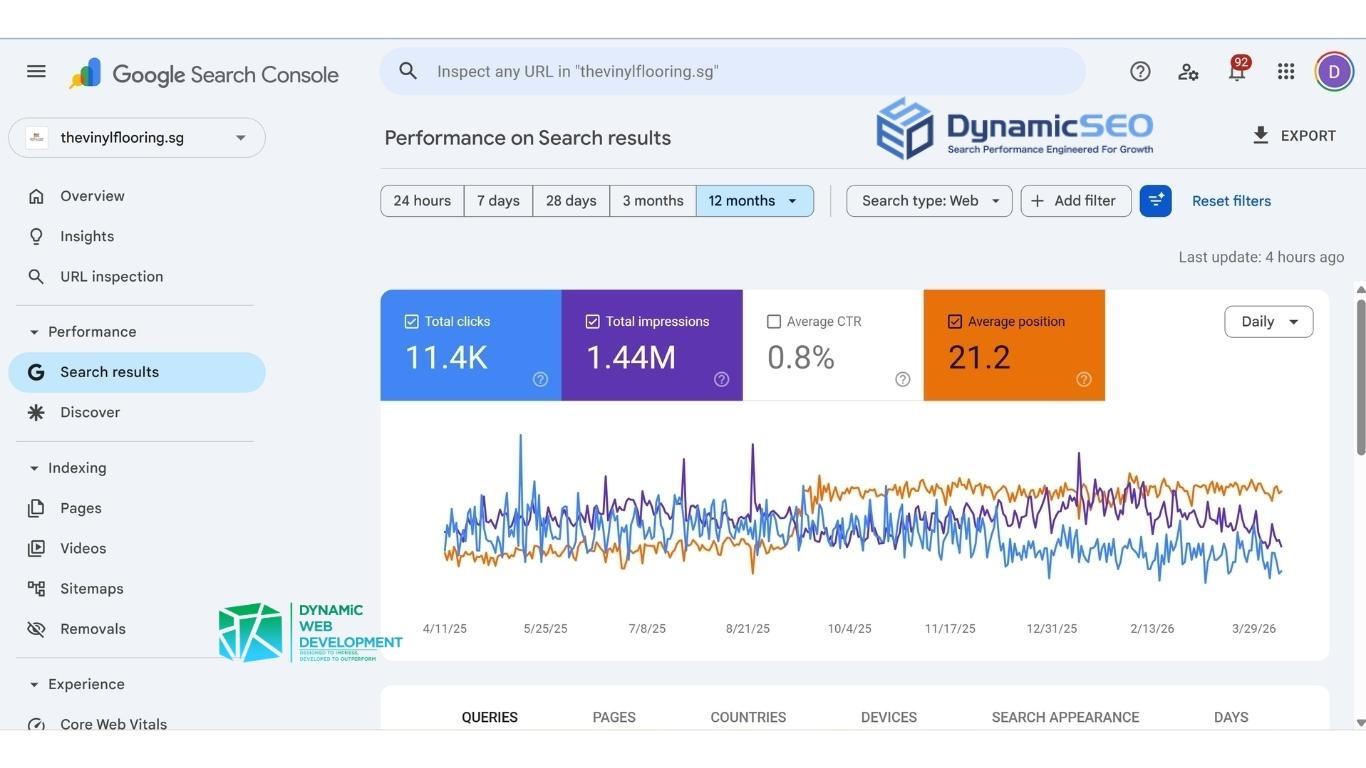
How Search Engines Understand Topical Authority
Search engines use semantic analysis to understand how topics relate to one another.
For example, a website discussing SEO may also cover:
- Technical SEO
- AI SEO
- GEO
- Keyword research
- Link building
- SEO analytics
- Google AI Overviews
When these topics are interconnected properly, search engines gain stronger confidence that the website genuinely understands the broader subject area.
This creates stronger authority signals than publishing unrelated articles targeting random keywords.
Topical Authority And AI Search Visibility
AI-driven search systems rely heavily on topical authority.
Platforms such as ChatGPT and Google Gemini retrieve and synthesise information from trusted sources across the web.
AI systems prefer sources that demonstrate:
- Consistent expertise
- Strong semantic relationships
- Structured information
- Reliable authority signals
This means websites with strong topical authority are more likely to appear in:
- AI Overviews
- AI-generated answers
- Conversational search
- AI recommendations
As AI search grows, topical authority becomes increasingly important for digital visibility.
Building Topical Authority Through Content Clusters
One of the most effective ways to build topical authority is through topic clusters.
A topic cluster consists of:
- A primary pillar page
- Multiple supporting articles
- Strong internal linking relationships
For example:
A main pillar page about “AI SEO” may connect to supporting articles covering:
- GEO
- AI search optimisation
- ChatGPT visibility
- Google AI Overviews
- Semantic SEO
- AI retrieval systems
This structure helps search engines understand contextual relationships between topics.
Over time, these semantic connections strengthen authority significantly.
Internal Linking Strengthens Topical Authority
Internal linking plays a major role in topical authority development.
Strong internal linking helps:
- Reinforce semantic relationships
- Improve crawlability
- Distribute authority
- Guide search engine understanding
Disconnected articles create weaker contextual signals.
Well-structured internal linking ecosystems help search engines recognise that multiple pages belong to a unified topic framework.
This is why modern SEO strategies increasingly rely on structured content ecosystems rather than isolated content pieces.
Semantic SEO And Entity Optimisation
Modern search engines increasingly rely on entities instead of exact keyword matching.
Entities are identifiable concepts such as:
- Google Search Console
- Google Analytics
- Google Search
When websites consistently reference related entities and concepts naturally, search engines gain stronger contextual understanding.
This strengthens semantic relevance and contributes to broader topical authority signals.
Topical Authority Improves Long-Term Rankings
One major advantage of topical authority is ranking stability.
Websites with strong authority often rank faster and more consistently for new related topics because search engines already trust their expertise.
Instead of competing page by page, authoritative websites gain broader subject recognition.
This creates:
- Stronger visibility
- Higher trust
- Better crawl efficiency
- Improved ranking scalability
Topical authority therefore acts as a long-term SEO growth engine rather than a short-term optimisation tactic.
Why Backlinks Alone Are No Longer Enough
Backlinks remain important, but backlinks without topical relevance are becoming less effective.
Modern search systems evaluate:
- Context
- Relevance
- Semantic consistency
- Expertise depth
A website with strong backlinks but weak topical coverage may still struggle against websites demonstrating stronger subject expertise.
This is why many modern SEO strategies combine:
- Topical authority
- Semantic SEO
- Technical SEO
- GEO
- E-E-A-T optimisation
The strongest websites build authority ecosystems rather than isolated ranking pages.
Topical Authority Supports GEO And AI Retrieval
Generative Engine Optimisation (GEO) increasingly depends on topical authority.
AI retrieval systems are designed to prioritise:
- Trusted sources
- Deep expertise
- Semantic consistency
- Structured topic coverage
Websites with fragmented content structures are harder for AI systems to interpret confidently.
Strong topical authority improves:
- AI retrieval confidence
- Citation frequency
- AI-generated visibility
- Conversational search presence
As AI search continues evolving, topical authority becomes one of the most important digital visibility assets.
Building Topical Authority Takes Time
Topical authority is not built overnight.
Search engines need time to evaluate:
- Content consistency
- Topic depth
- User engagement
- Authority signals
- Semantic relationships
Businesses that publish strategically over time gradually strengthen trust and visibility.
This is why topical authority aligns closely with long-term SEO strategies rather than short-term ranking tactics.
Conclusion
Understanding what is a topical authority is essential for modern SEO and AI visibility.
Search engines and AI systems increasingly prioritise websites that demonstrate deep expertise, semantic consistency, and structured topic coverage across interconnected content ecosystems.
Businesses that focus only on isolated keywords may struggle as search continues evolving toward semantic understanding and AI-driven retrieval.
The future belongs to websites that become recognised authorities within their industries through strong topical ecosystems, structured internal linking, semantic optimisation, and long-term content strategy.
FAQ
Q: What does topical authority mean in SEO?
Q: How do you build topical authority?
Q: Does topical authority help AI search visibility?
Q: Are backlinks still important for topical authority?
Q: How long does it take to build topical authority?
Elevate Your Brand’s Online Presence with Our Expert SEO for Sustainable Growth

Partners in success, stronger together