




What Is SEO? A Plain-English Guide for Singapore Businesses
If you run a business in Singapore, someone has probably told you that you need SEO. It is one of the most common terms in digital marketing, and one of the least explained. This guide answers the question “what is SEO” in plain English: what it means, how Google decides which pages to show, and what the work involves for a business website.

SEO, short for search engine optimisation, is the work of helping search engines understand your website so that it appears when people search for what you offer. It covers the technical health of your site, the content on each page and the reputation your site earns from other websites. Done well, it brings visitors who are already looking for your service, and every click is free.
What Is SEO in Simple Terms?
Google describes SEO as helping search engines understand your content, and helping people find your site and decide whether to visit it, in its own SEO Starter Guide. We find that definition useful because it puts the customer first. The aim is to be the clearest, most useful answer to a real question.
So what is SEO in practice? It is a set of improvements to your website and its presence online. Some are technical, such as how fast your pages load. Some are about words, such as whether your service page uses the phrases your customers type. Others are about trust, such as whether respected websites link to you.
The results you earn this way are called organic results. They sit below or beside the paid adverts on a search page, and each click on them is free.
How Google Search Works: Crawling, Indexing and Serving
To see what SEO changes, it helps to know the three stages Google sets out in its guide to how Google Search works. First, automated tools called crawlers find pages and download their text, images and videos. Second, Google analyses each page and stores what it learns in a very large database called the index. Third, when someone searches, Google serves the results it judges most relevant.
Every part of SEO supports one of these stages. Technical SEO helps crawlers reach and read your pages. Content helps Google understand what each page is about. Links and reputation help Google judge which page deserves to be shown first.
Google also states, on the same page, that it keeps crawling and ranking separate from payment. Organic rankings are earned through the quality of the site, which is why SEO takes steady work.
What Is SEO Made Of? The Three Main Parts
Technical SEO is the foundation. It covers site speed, mobile layout, secure pages, clean page addresses and a sitemap that tells Google which pages exist. Our technical SEO guide walks through each of these checks in more detail.
On-page SEO is about each page itself: its title, its headings, the words in its body and the questions it answers. A page about aircon servicing in Tampines should say so clearly in its title and opening lines. Our on-page SEO service explains how we set this up page by page.
Off-page SEO covers your reputation beyond your own website, mainly links from other relevant sites and mentions of your business. Google treats a link from a trusted site as a sign that your page is worth recommending. These links are earned through useful content and genuine partnerships.
How Keywords Fit Into SEO
A keyword is simply the phrase someone types into Google, such as “plumber near me” or “corporate catering Singapore”. Keyword research is the step where you find out which phrases your customers actually use, how often they search for each one and how hard each one is to rank for.
Each important page on your site should focus on one main keyword and the questions around it. This keeps your pages from competing with each other and makes it clear to Google which page to show for which search. Our keyword research service builds that list for you before any page is written.
One older habit is worth dropping. Google says plainly that its search ignores the keywords meta tag, so time spent filling it in is better spent on the page content your visitors read.
SEO, SEM and Paid Ads: How They Differ

SEM, or search engine marketing, is the wider term for getting traffic from search engines, and it usually refers to paid adverts such as Google Ads. With ads, you pay for each click and your listing appears as soon as the campaign starts. When the budget stops, the listing disappears.
SEO works on a longer clock. The early months go into fixing, writing and earning links, and the rankings then keep bringing visitors month after month. Many businesses use both: ads for immediate enquiries while SEO builds a steady flow of free visits underneath.
How SEO Is Changing With AI Search
Google now shows AI Overviews at the top of some searches, and many people also ask tools such as ChatGPT for recommendations. These answers draw on web pages, so the same basics still apply: clear answers, accurate business details and a site that other sources cite.
For many owners, the answer to what is SEO now includes AI search too. Getting your business named inside these answers is often called AI search optimisation or generative engine optimisation. It builds on SEO rather than replacing it. Our guide on what AI search optimisation is explains how the two fit together.
How Long SEO Takes and How to Measure It
Google notes in its starter guide that every change takes some time to show in its results. From our own work, we tell clients to expect measurable ranking movement within three to six months, and longer for very competitive searches or a brand-new website. Our SEO packages page sets out what each month of work includes.
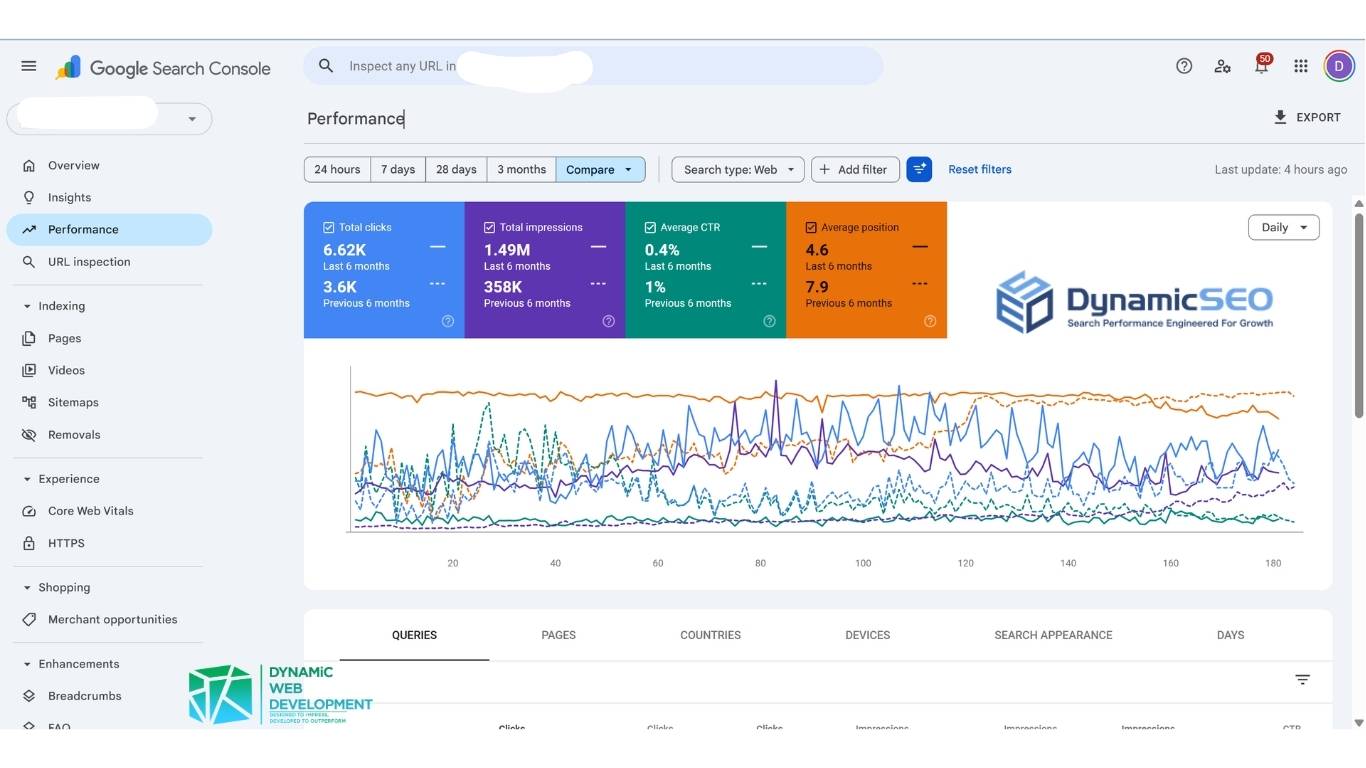
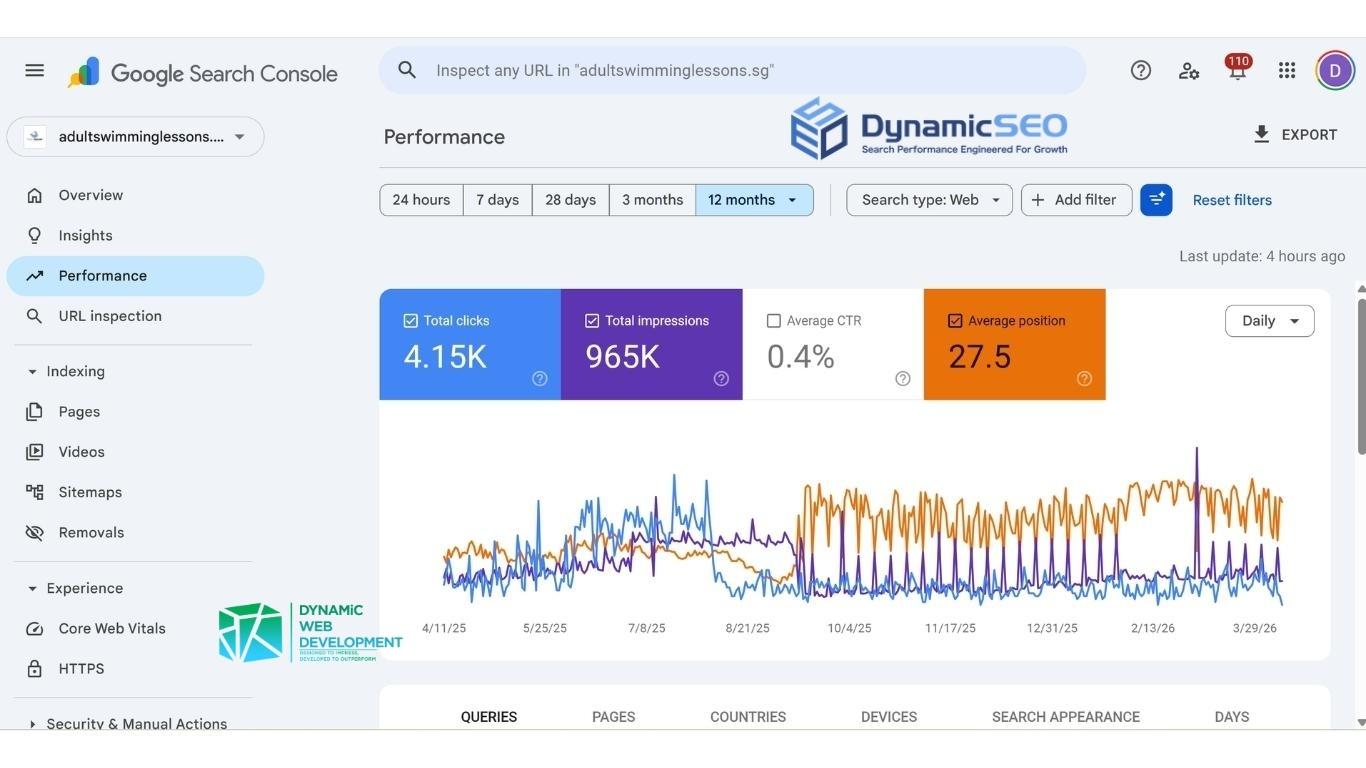
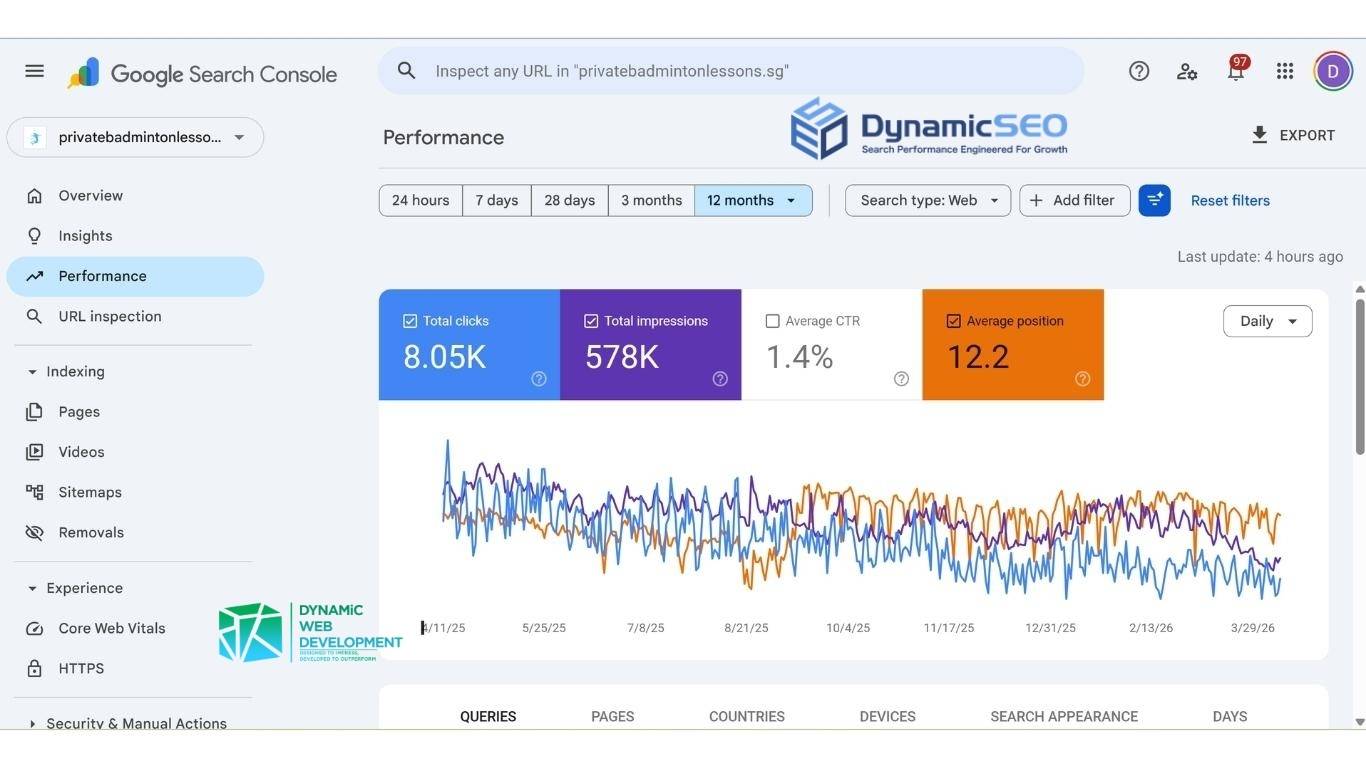
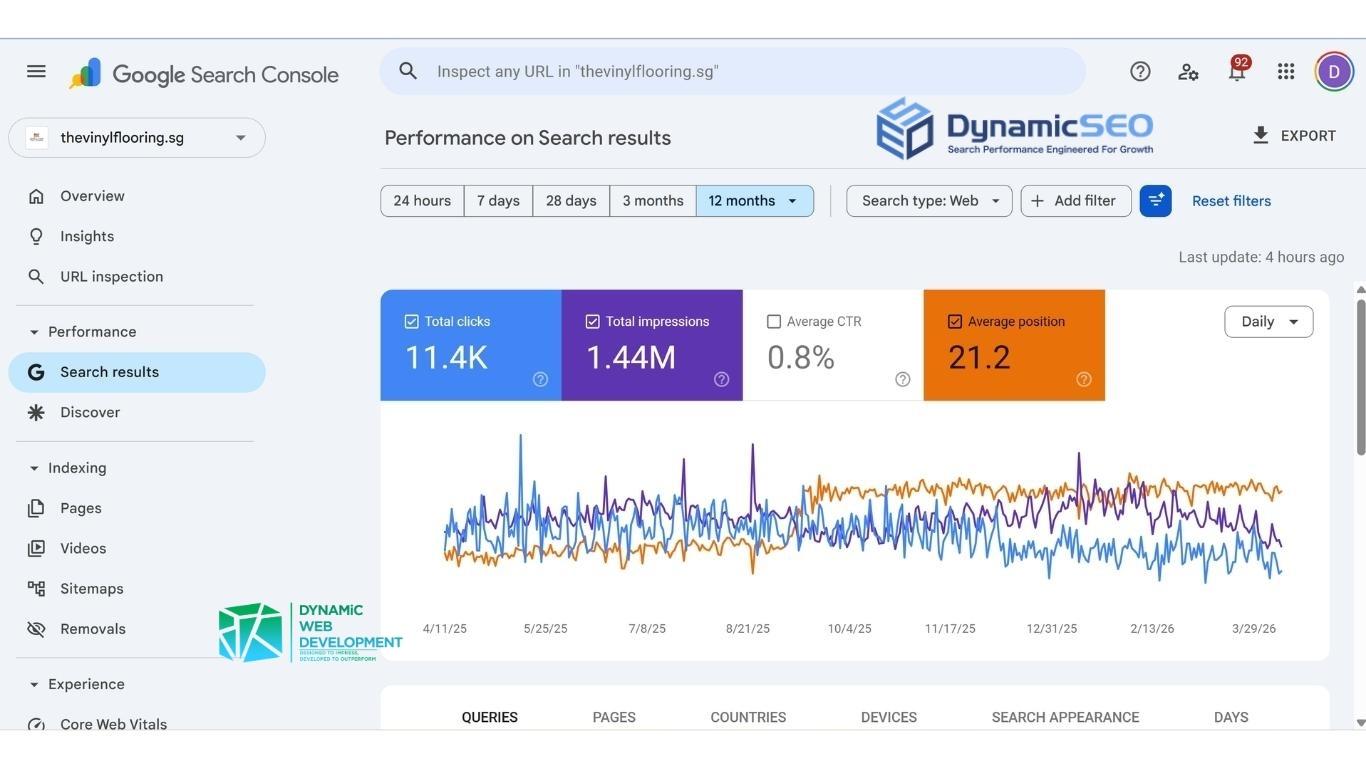
The best place to measure progress is Google Search Console, a free tool that shows which searches bring up your site, how often it appears and how many people click. Early progress looks like your site appearing for more searches and climbing the results, followed later by clicks and enquiries.
What Is SEO Worth to a Singapore Business?
SEO suits businesses that customers look for on Google: a clinic, a tuition centre, a renovation firm or a B2B supplier. If your customers search for what you sell, a page that ranks for those searches keeps bringing enquiries long after it is published.
It is a slower route than paid ads, so it fits best alongside a plan for the next few months. If you would like to see where your own site stands, our SEO services start with a free SEO audit of your website, and you can also try the first steps yourself with our guide on how to run SEO on your own website.
Frequently Asked Questions

What does SEO stand for?
Can I do SEO for my business myself?
Is SEO the same as Google Ads?
How much does SEO cost in Singapore?
Grow Your Online Presence With SEO Built for Long-Term Results

Partners in Success, Stronger Together