




GEO vs SEO: How AI Search Optimisation Compares
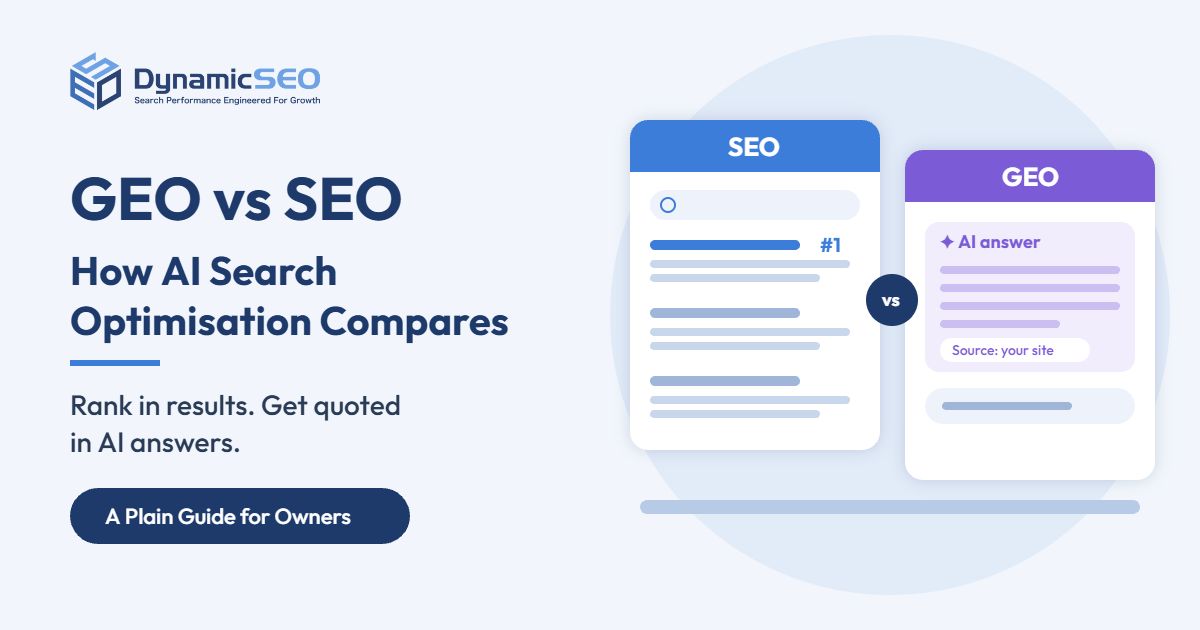
GEO vs SEO is a question more Singapore business owners are asking as AI answers appear above search results. SEO helps your pages rank in Google’s results. GEO, short for generative engine optimisation, helps your content get picked up and quoted in AI answers from tools such as Google’s AI Overviews and ChatGPT. This guide explains how the two compare and how to plan for both.

SEO earns your website a place in search results; GEO earns your content a mention inside AI-generated answers. The two share the same foundations: clear, well-structured pages that answer real questions. At Dynamic SEO, we handle SEO and GEO together for Singapore businesses, so the same work helps you rank on Google and appear in AI answers.
GEO vs SEO: The Short Difference
SEO, or search engine optimisation, is the work of helping search engines understand your pages so they appear when people search. Google’s SEO Starter Guide describes it as helping search engines understand your content and helping people find your site.
GEO aims at a different spot on the screen. Instead of a blue link, the goal is to be the source an AI tool summarises or cites when it writes its answer. The person may read your information before ever visiting your site.
What SEO Covers
SEO covers the work most businesses already know: keyword research, page titles and descriptions, site speed, mobile layout, internal links, useful content and links from other websites. Our guide to what SEO is walks through each part in plain terms.
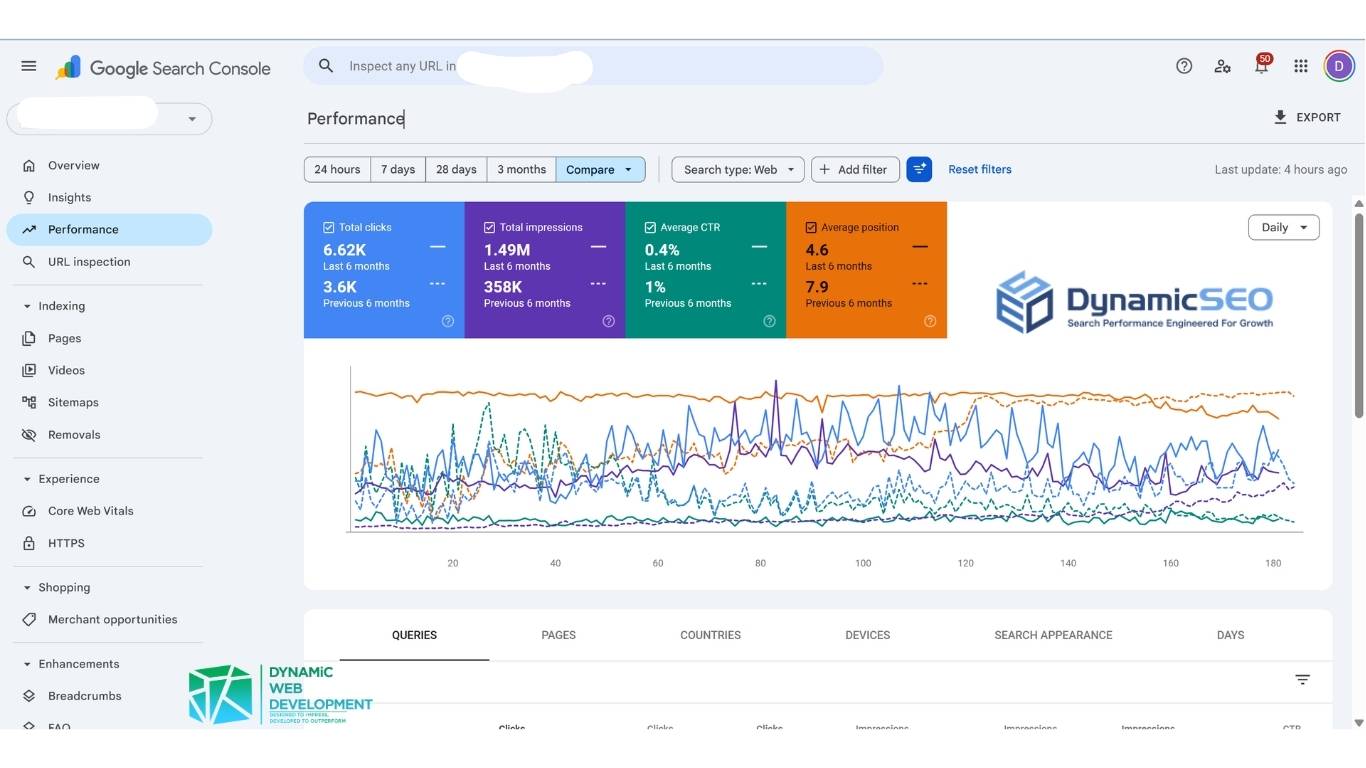
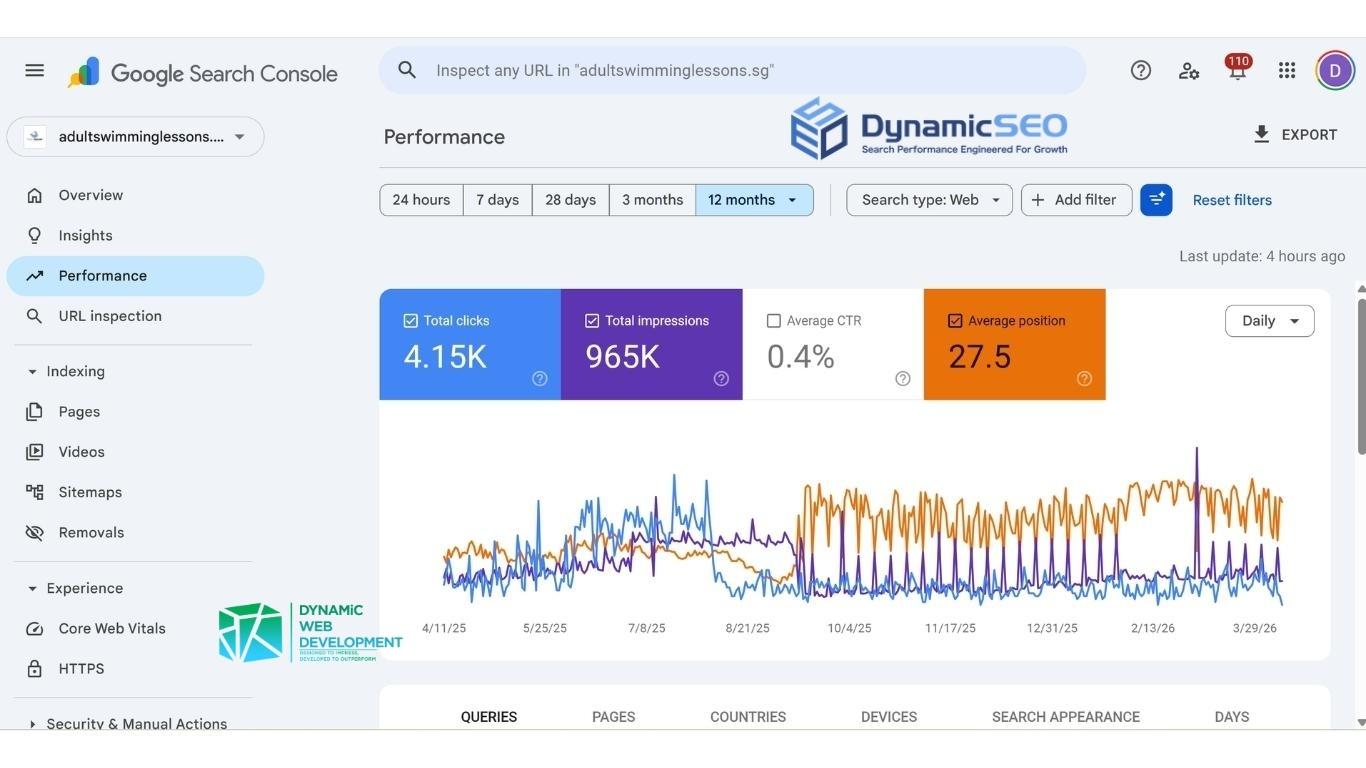
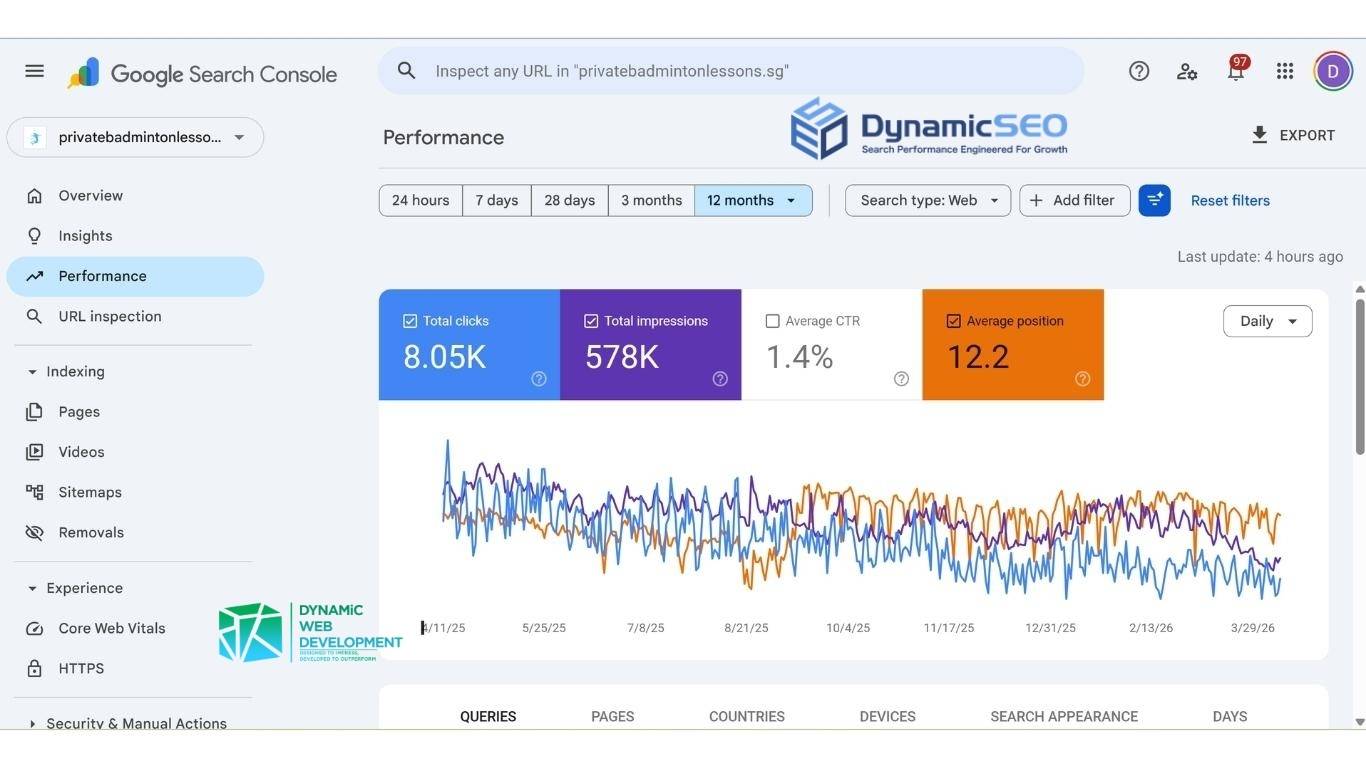
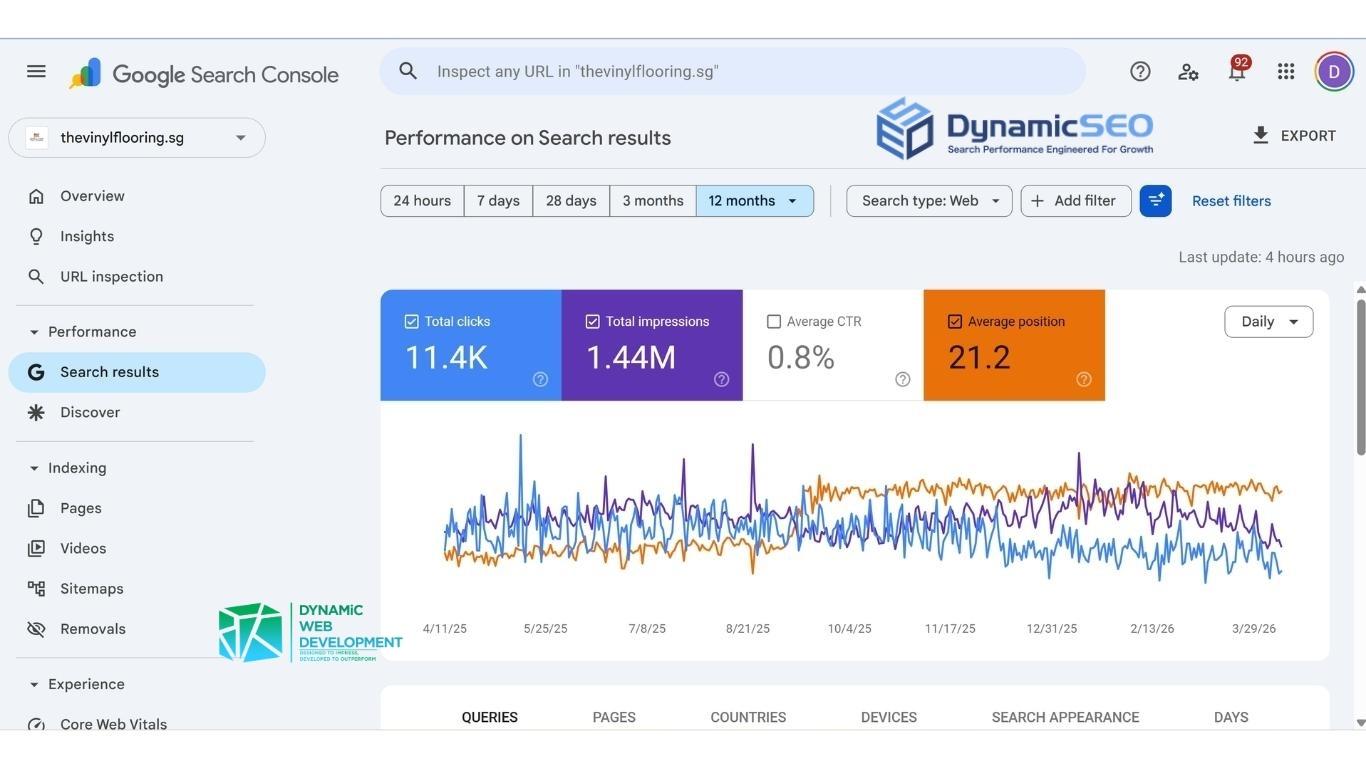
The measure of success is visibility and visits: how often your pages appear in search, where they rank and how many people click through to your website.
What GEO Adds
GEO adds a focus on how AI tools read and reuse content. In practice, that means short, direct answers near the top of a page, clear headings that match the questions people ask, facts linked to their sources, and business details that stay the same everywhere they appear online.
The term comes from a research paper by computer scientists studying AI-powered search engines. They tested ways of writing content and found that some changes made a source more visible in AI-generated answers, with results varying by subject.
What Google Says About AI Overviews and AI Mode
For Google’s own AI features, the guidance is clear. Google’s page on AI features and your website says the usual SEO best practices are all a site needs to appear in AI Overviews and AI Mode. A page must be indexed and eligible to show with a snippet in normal search results.
Google’s listed best practices include letting search engines crawl your site, using internal links, keeping important content in text form and making sure structured data matches what visitors see on the page. These are the same steps good SEO already takes.
Where GEO and SEO Overlap

Because of this, GEO and SEO overlap far more than they differ. A page that is easy for Google to crawl, answers a question clearly and is backed by trusted sources is also easier for an AI tool to quote.
The differences are mostly about emphasis. GEO puts extra weight on concise answers, question-led headings and consistent brand facts, which also help readers. Our guides on how to rank in Google AI Overviews and in ChatGPT search cover the steps for each.
How to Measure SEO and GEO Results
SEO results are measured in Google Search Console and Google Analytics: impressions, clicks, rankings and the enquiries that follow. Our guide on how to track SEO progress explains which figures to watch.
GEO results are harder to count, because an AI answer can mention your business in a search that ends with the answer itself. A practical check is to ask AI tools the questions your customers ask, every month, and note whether your business is named and whether the details are correct.
Should a Singapore Business Invest in GEO, SEO or Both?
For most Singapore businesses, the answer is both, done as one plan. Strong SEO is the base that AI tools draw on, and the GEO steps make your answers easier to quote. Starting with SEO and adding GEO habits to every new page keeps the work efficient.
If you would like help planning this, our generative engine optimisation service and SEO services in Singapore start with a free SEO audit that covers how your business shows up in both.
Frequently Asked Questions

Is GEO replacing SEO?
GEO builds on SEO rather than replacing it, since AI tools draw on pages that search engines can already find and understand. Our guide on whether SEO will be replaced by AI looks at this in more depth.
Do I need special files or code for AI search?
Google's guidance says a regular SEO set-up is all that AI Overviews and AI Mode need: crawlable pages, important content in text, and structured data that matches what is visible on the page.
Where does AI search traffic show in Search Console?
Google counts visits from AI Overviews and AI Mode as part of your overall search traffic. They appear in the Search Console Performance report under the Web search type, alongside regular search clicks.
Where did the term GEO come from?
The term was introduced in a research paper titled "GEO: Generative Engine Optimization", first published in November 2023 and accepted to the KDD 2024 data science conference.
Grow Your Online Presence With SEO Built for Long-Term Results

Partners in Success, Stronger Together