




What Is an SEO Audit? A Plain Guide for Business Owners
If your website is live but brings few enquiries from Google, an SEO audit is usually the first step. It is a structured check of your website that shows what is helping it rank, what is holding pages back and what to fix first. This guide explains what the audit covers, the tools behind it and what a useful report gives you.

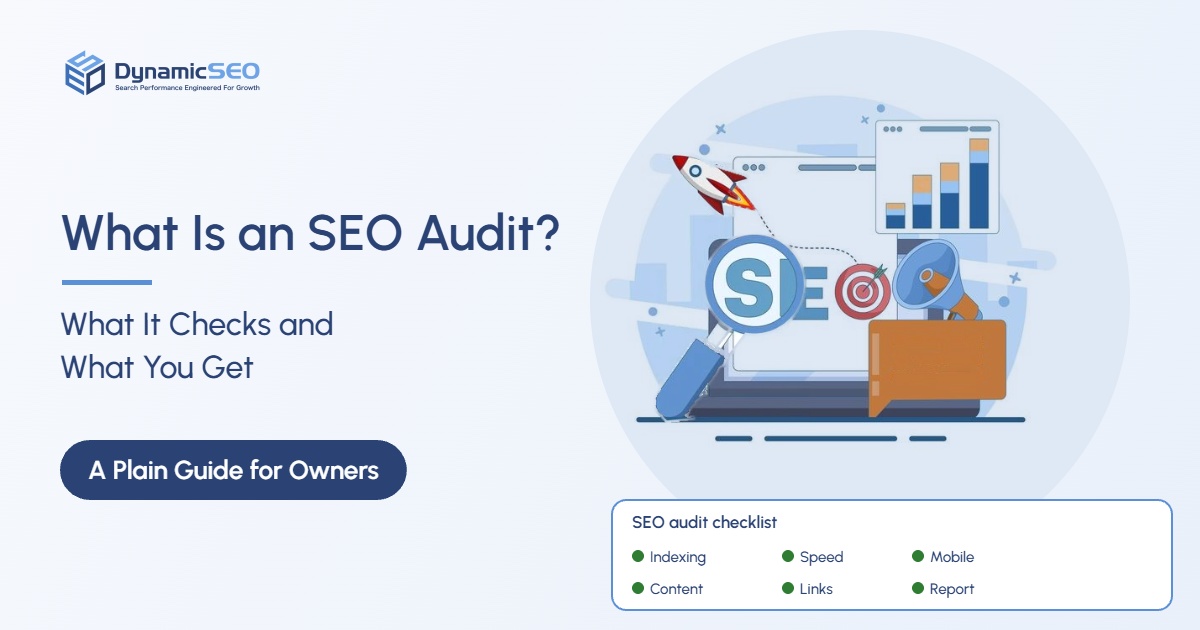
An SEO audit is a review of your website against what Google needs to find, understand and rank your pages. It checks four areas: whether Google can crawl and index your pages, how fast and mobile-friendly they are, whether each page answers the search it targets, and which other websites link to yours. A good audit ends with a short, ranked list of fixes.
What an SEO Audit Is For
Most websites lose rankings to a handful of small issues: a page left out of Google’s index, two pages chasing the same search, a slow template or a missing title. An audit finds those issues in one pass, so the work that follows goes where it counts.
It also gives you a starting point. Recording where your site stands today makes it easy to see later whether the changes worked. If you are new to the subject, our guide on what SEO is covers the basics first.
Indexing and Technical Health
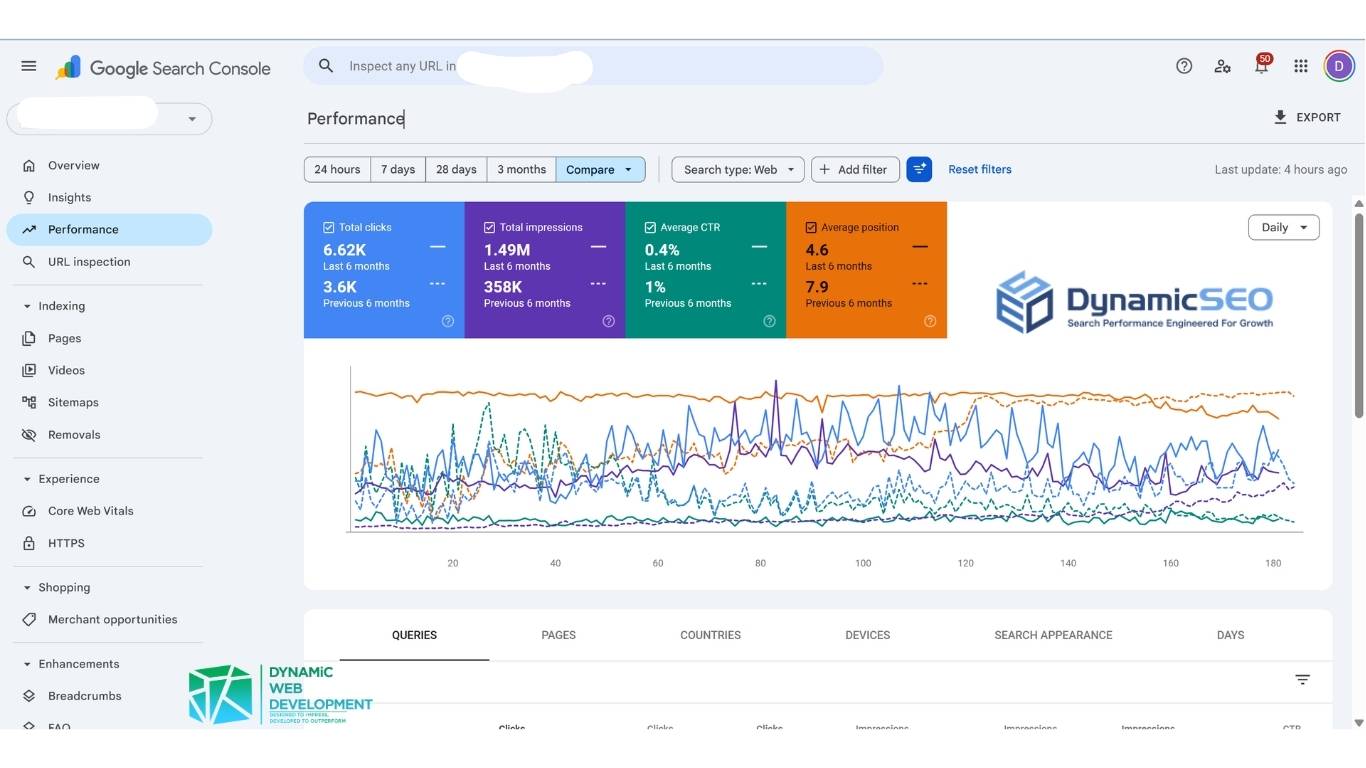
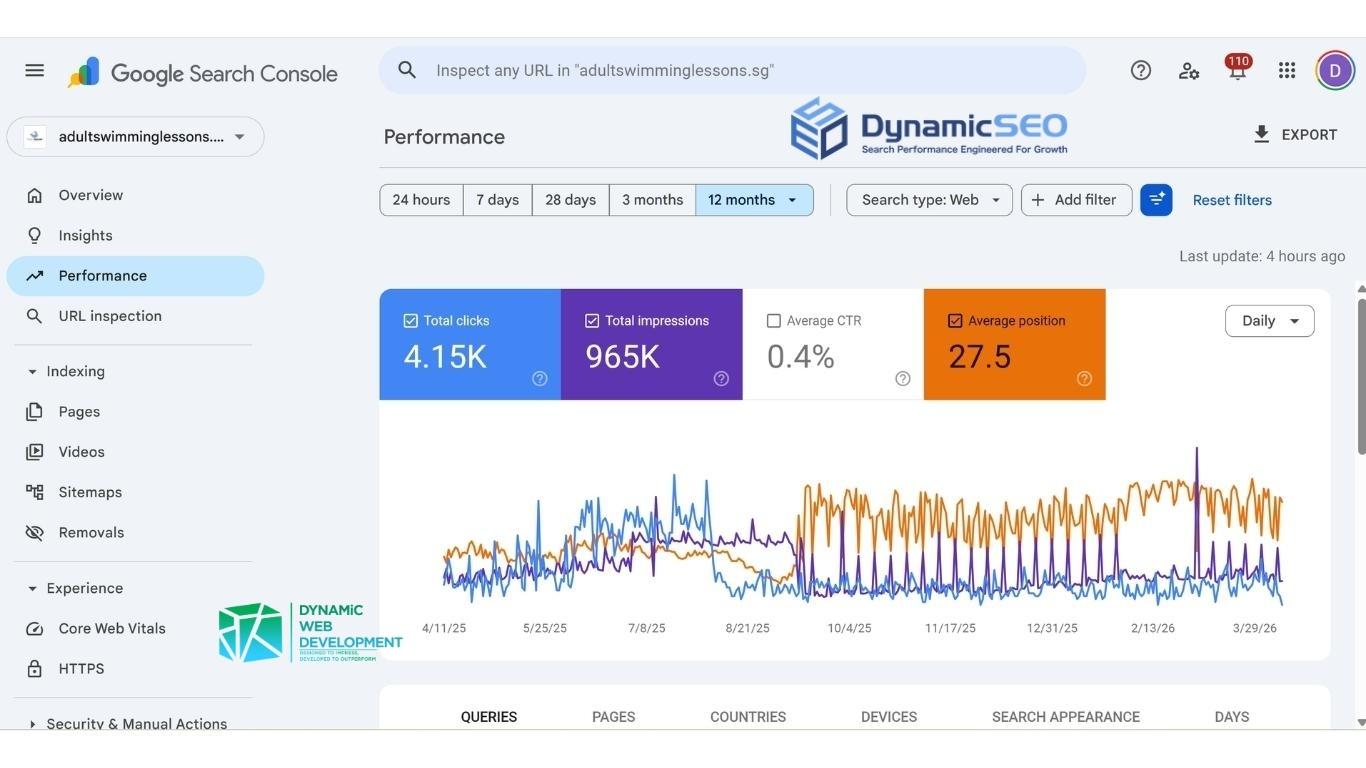
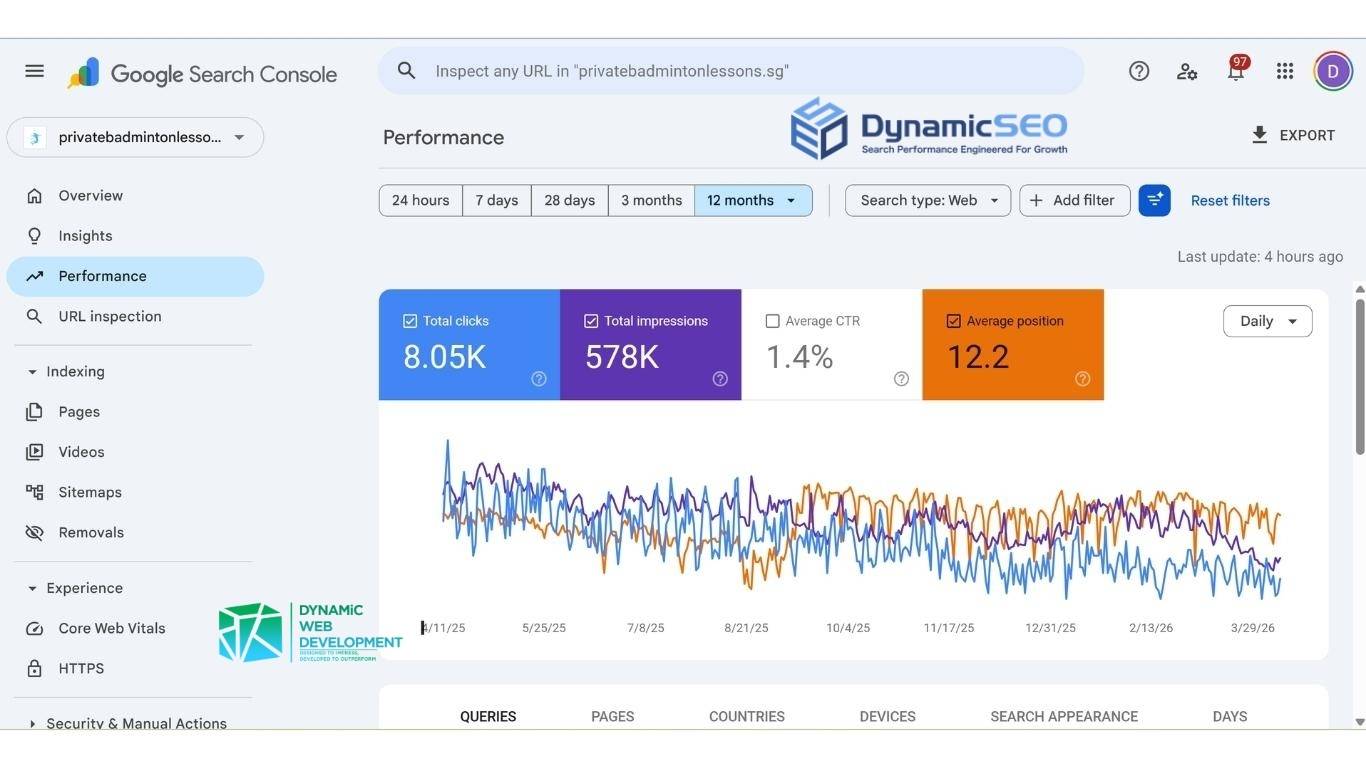
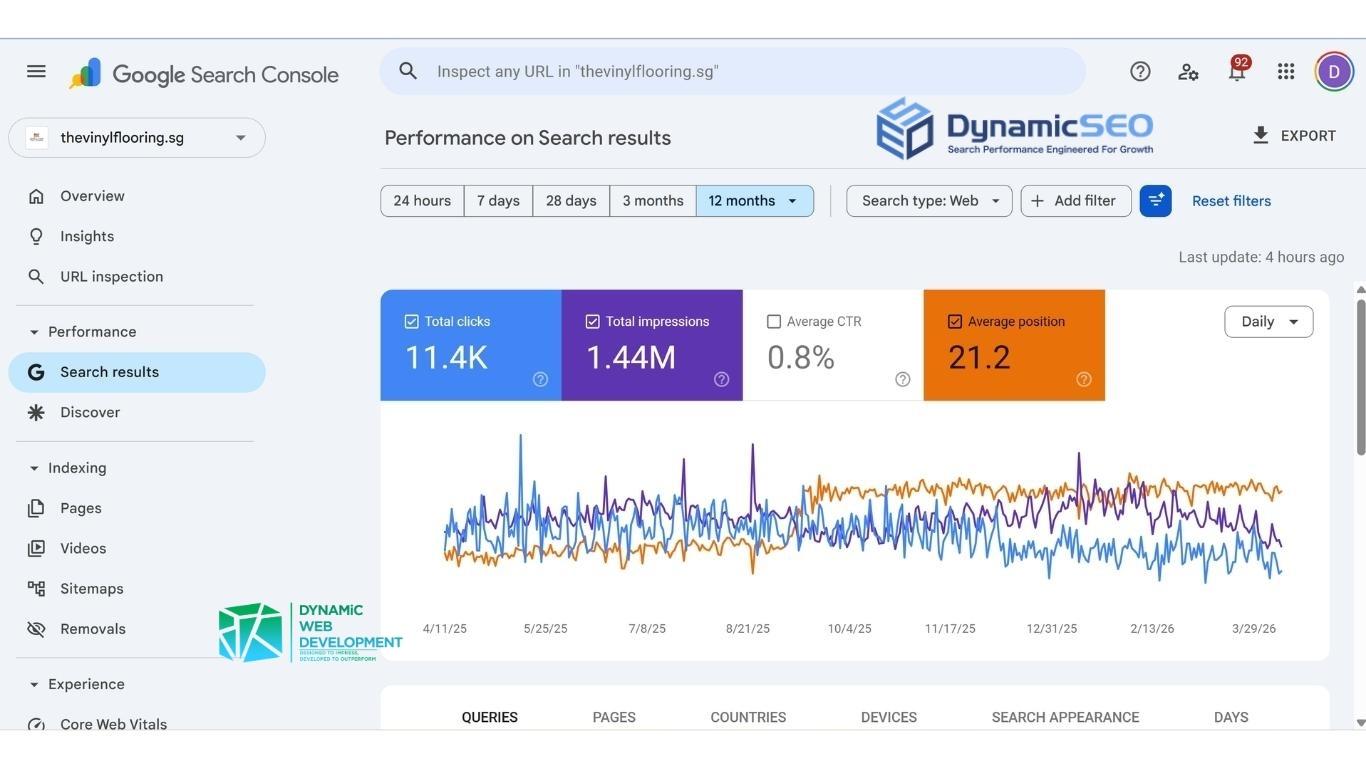
The first part of the audit asks whether Google can reach your pages at all. Google’s Page indexing report in Search Console shows which pages Google can find and index on your site, and lists the reasons any page was left out. Only indexed pages can appear in search, so this check comes first.
The audit then checks redirects, broken links, duplicate pages and the sitemap, the file that lists your pages for search engines. These fixes sit at the core of our technical SEO services.
Speed and Mobile Experience
Most searches in Singapore happen on phones, so the audit tests how each key page loads on mobile. Google’s PageSpeed Insights reports how a page performs on mobile and desktop, combining a lab test with real-world data from Chrome users, and suggests what to improve.
The audit looks for the causes behind a slow page, such as oversized images, heavy page builders or too many plugins, and ranks them by how much each one slows the page.
Content and On-Page Checks
Next, the audit reads each important page the way a searcher would. Does the title match the search the page targets? Is there one clear main heading? Does the copy answer the question, and does the page link to related pages on the site?
This is also where the audit spots pages competing for the same search. Merging them into one stronger page often lifts both. Our on-page SEO work covers these fixes page by page.
Links From Other Websites

The last area is authority: which other websites link to yours, and whether those links come from relevant, trustworthy sites. The audit lists your linking websites, compares them with your competitors’ and points out directories and partners worth approaching.
For many small business websites, this is where the biggest gap sits. A site can be technically sound and well written, yet still rank low until other websites start to refer to it.
Tools Used in an SEO Audit
Google’s free tools cover a large part of the work: Search Console for indexing and search performance, and PageSpeed Insights for speed. A crawler fills in the rest. Screaming Frog SEO Spider checks a site for issues such as broken links, missing titles and redirects, and its free version crawls up to 500 URLs.
Paid suites add competitor and link data. Our guide to the best SEO tools compares the free and paid options.
What a Good SEO Audit Report Gives You
A useful report is short and ranked. It lists each issue in plain language, shows the pages affected and puts the fixes in order of impact, so the first week’s work is obvious. It should also record your starting numbers in Search Console, so progress can be measured.
Those findings then feed your plan for the year, which our guide to building an SEO strategy walks through. If you would like a second pair of eyes, our consulting service starts with a free SEO audit of your website, from our office at Sin Ming Lane, near Bishan.
Frequently Asked Questions

How long does an SEO audit take?
A small business website of a few dozen pages can usually be audited in a few days. Larger sites, or sites with many products, take longer because every template and page type needs checking.
How often should I run an SEO audit?
A full audit once a year suits most business websites, with a lighter monthly check of Search Console in between. Run a fresh audit after a redesign or a move to a new platform, when old issues can return.
Can I do an SEO audit myself?
Yes, for the first checks: open the Page indexing report and test your three most important pages for speed. An agency adds experience in reading the results and putting the fixes in the right order.
What is the difference between an SEO audit and a technical SEO audit?
A technical SEO audit covers the site itself: indexing, speed, redirects and structure. A full SEO audit adds content, on-page checks and links from other websites.
Grow Your Online Presence With SEO Built for Long-Term Results

Partners in Success, Stronger Together